A Story……11111.0.0.00001.1.1.1.10.0.0.00000.000.0.0.00000.1.1.0.10.100011
Good Morning,
Digital story telling is my focus this morning. Here is some of what I learned and what I found exciting about the educational approach to using digital story telling.
I was introduced to podcasts a few weeks ago when I listened on Tune in Radio to missing richard simmons a podcast. One that I am fairly embarrassed to say, I spent my time listening to.
Fast forward a few weeks and my instructor pointed me in the direction of some information related to the educational value of digital story/podcasts.
I was sold on the value of integrating technology advancements with classroom learning when I read Mind Shift. In short this is what they had to say concerning the students and technology.
It has been a wild and unexpected success: Since it began, StoryCorps has collected and preserved more than 50,000 interviews, and a fraction of them are aired weekly on NPR’s Morning Edition.
Isay believes that StoryCorps is especially valuable to kids, in part because it represents the antithesis of what our contemporary culture seems to celebrate: what’s trivial, sparkly and fleeting. StoryCorps, which invites intimate conversations about the weightiest matters, “is the opposite of reality TV, and of modern technology,” he says. “It’s about the power of personal connection in the digital age.”
I also learned that when students can use clear organization of thoughts, purposeful learning occurs. Hence, digital story telling requires a purpose for a result. The story can quickly spiral out of control if not directed due to the amount of information on the web.
Digital story telling takes a disciplined self-starter someone who is a self starter. Young learners often find starting and follow through a frightening. However, by successfully living through the exercise of creating a digital story this habit can be formed.
Problem solving abilities if not already fine tuned will be polished. This is due to the nature of mixing written & spoken language with technology, time, and the human factor.
I have been blogging now about my educational journey since the Fall of 2016 in WordPress and finally feel as through I am understanding the power of blogging.
First we visited Earl May a gardening store. We spent time on the web site and than visited the brick an mortar store where we purchased the tree & related items that were needed.
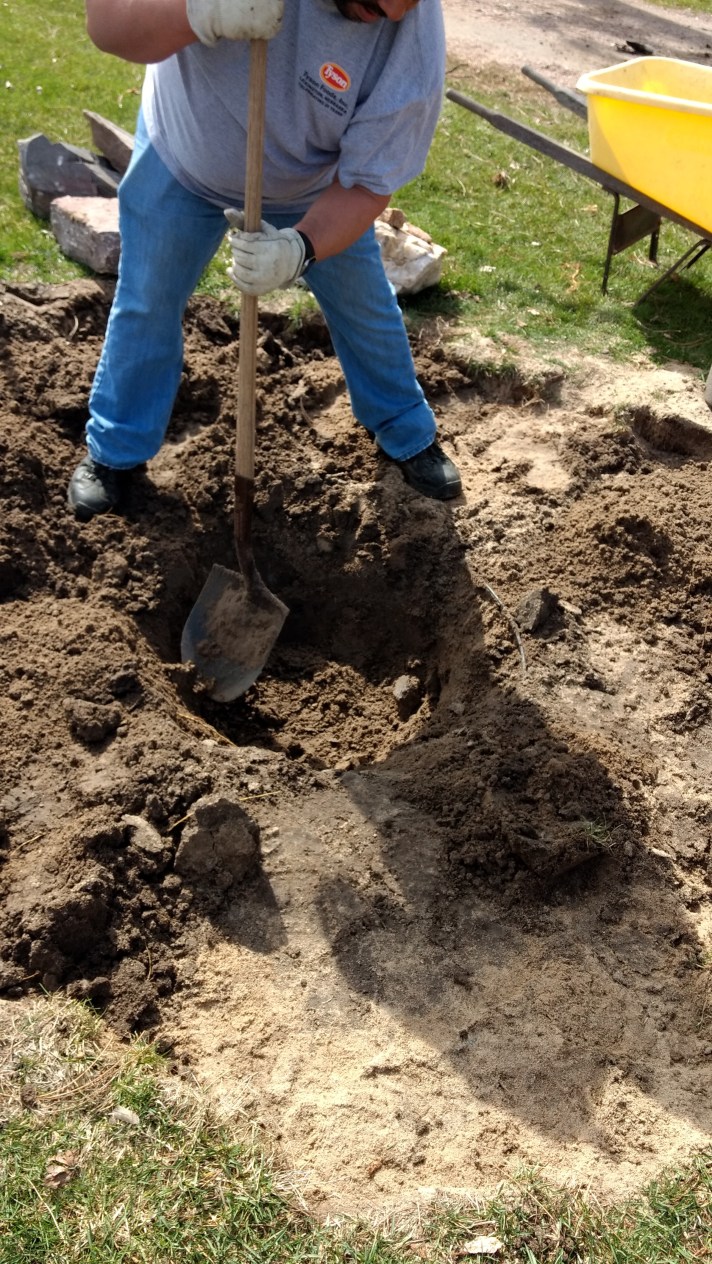
Clearing the planting site was the most difficult part of the lesson. Difficult meaning time absorbing and physically demanding.
Planning for growth over the next 5-10 years required measuring the land space and lots of idea sharing. I like this part because it reminded me that my future students will need to work together as a team.
The tree required a hole that was about 2ft deep and 3ft wide. I think that a hole this size can easily be dug by students.
Once the site was prepared taking the tree from the pot to the hole was very simple. The tree’s roots needed to be loosed prior to putting the tree in place. This was done with a straight edge. We sliced the edges of the compacted root system with a straight edge every inch or so all the way around it. Set it in place and covered it with dirt.
Once that was done we realized that we had forgotten one thing, the mulch!
Another trip to the store was required along with some lunch. I did not mention above that we started this project around 8:00am and finished around 2:30pm.
I learned that when I do this project with students, we will need to assign jobs. Jobs include – The Diggers, The Haulers, The Site Safety Manager (in this lesson that was my helpful husband), The Food & Beverage providers, The Shoppers, and Cleaning Crew.
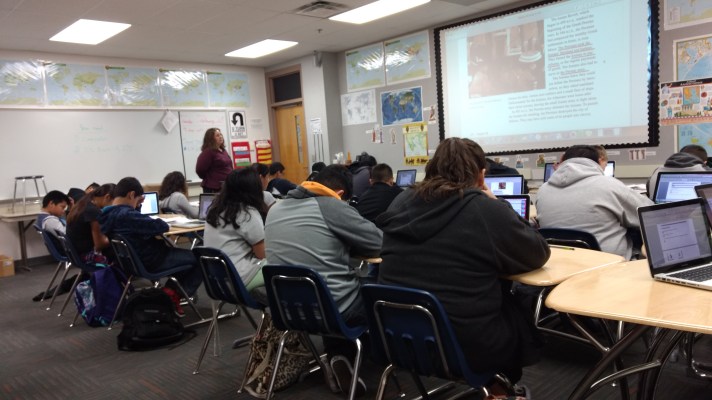
Differentiated Instruction (DI) is concerned with individual students. DI also stresses that no two students are alike. Unique pathways within DI are created for each individual student’s learning by educators who are working with said student(s). This is done, so that, children can develop multiple ways of absorbing information and forming an understanding of the content delivered.
One component of DI that I found encouraging is that DI invites students to take part in the responsibility for their learning.
Here are 20 Ways to Differentiate
I) Have the Tools You Need to Regroup or De-Escalate Students
Have tool kit ready to de-escalate students who are overwhelmed or near a stage of melt down. A Safe, quiet calm space works if you do not have access to items like this from Fun & Function
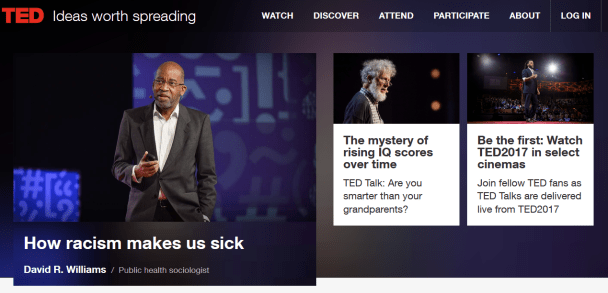
Follow this link to find more information on using TED TALKS
III) Use Audio Clips to Reinforce Lesson Objectives
This is an excellent cost effective way to introduce learners to experts. Audio clips work well as a substitute for field trips if students are limited in mobility.
IV) Offer Earphones for Noise Reduction or Noise Cancellation
Wearing headphones can offer a grounding solution to students who are easily overstimulated. Additionally they can be used in classrooms or libraries to help students focus.
V) Use Music
This may help with volume control as well as the tone of a room. Music also can mask many subtle noises that are distracting.
Maybe you want wake the students up? Try bright colorful lights or natural light . If a calm atmosphere is desired try dimming the lights. Another use of lights is to correspond them with seasons or holidays, this is a favorite of mine.
VII) Pair Students According to Strengths Weaknesses
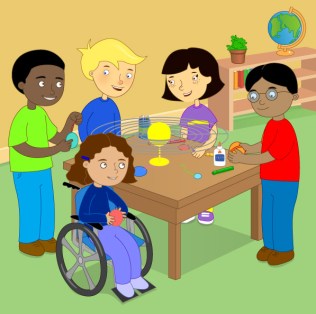
Pair children who have a disability with students who do not have the same challenges. Or pair a strong reader with a strong mathematics student.
Project an e-book while students are reading a paper text book simultaneously. Students who need added support will benefit. Those who have learning disabilities, or who are English Language Learners (ELL), may prosper from this technique.
IX) Develop a Pre-Assessment to Gage Each Student’s Readiness to Learn
Building awareness of all students current understanding is an important practice in DI. Effective teachers give their students back ground information needed prior to the start of a lesson. This is done by using a pre-assessment that is focused on specific “Big Ideas” and have questions worded in kid language.
XI) Use a variety of Ways for Students to Express Evidence of Mastery
Acceptable proof of student mastery can be delivered by using art, music, dance, essay or a multiple choice test. As long as the appropriate evidence for mastery is feasible and efficient it can be used to demonstrate mastery of Common Core Standards. Remember the collection is intentionally designed to meet individual student(s) educational needs so communication is vital.
XII) Use Dual Language Books
Dual Language books are a bridge for learners who are learning a new language. The books are available for all reading levels and generas. They can be used for Self Selected Reading or Read Alouds in ELL classrooms. Typically they are available in the libraries of Public Schools.
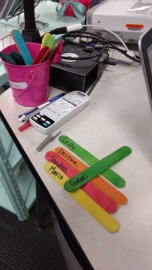
XIV) Use Sticks with Student’s Names
The sticks become is a visual aid to students that the teacher is intentionally calling on each student randomly. Pulling sticks also protects the educator from gender bias.
XV) Allow Students to Work Independently or in Collaboration When Possible
Students who are given freedom to take some responsibility in their learning will likely be high performers. Giving students the choice to partner work or work solo will improve learning according to Learning Accelerator.
XVI) Be Responsive to Visually or Hearing Impaired Students
Modifying seating and furniture placement to accommodate learning needs of all students is an attribute of creating an Integrated DI classroom. All this according to the book Integrating Differentiated Instruction & Understanding by Design: Connecting Content and Kids1st Edition by Carol Ann Tomlinson(Author), Jay McTighe(Author)
XVII) Use On-line Communication Platforms
Edmodo is made available to many teachers and students by the school districts they are a part of. It is an easily accessible communications vehicle to serve parents, students and teachers.
XVIII) Use a Microphone in Class
A microphone serves a few purposes. They are a option for integrating ELL students as the microphone helps children to hear spoken English in class. They serve hearing impaired students and help build confidence for upcoming public speaking.
XIV) Project Note Taking
If students must complete notes in class, have the teacher’s note taking projected to aid in spelling, reading and comprehension.
Feed back is crucial when related to students success. There are five important components to delivering feedback, 1. It needs to be given as soon as possible. 2. The receiver must be able to understand the feedback with out confusion. 3. Delivery must be focused. 4. Feedback needs to make allowances for adjustments. 5. Students need to have access to their progress according to Edutopia .
The first time I looked at DS106 (managers of our daily create challenge) I panicked. I thought to myself there is no way I am ready to show my talent, or more honestly lack of talent.
— ds106 Daily Create now at @tdc@social.ds106.us (@ds106dc) March 15, 2017
These caught my attention so I kept on digging around and started to get excited. This lead to trying a few assignments one was “a brown spider” “Celebrity Head in a Jar”
So, how can I use these in my future classroom?
I am now thinking about how in the future when I pick my first read aloud, I can get the students logged into their Paint Program and get them drawing a scene from the story while listening. Or, I would also like offer this to students as way build a photo library. The library could be based in any given science topic. I think the photos would deepen understanding while being a an attention keeper.
DS106 will inspire creativity and be an excellent way for parents to view their child’s progress and outcomes at parent teacher conferences.
On to other useful fun avenues to incorporate Ds106. We parents sometimes find it stressful to interact with our children who seem to live on a different planet. For home life I think is possible to link this healthy challenge to family life. We would have to ensure a zero tolerance for competition, however, with that said I think we could discover quite a bit about each other.
Another way that this tool could be useful is in the work place. Since I am planning to become a teacher I think of the teams of teachers first in our public schools. So that I don’t limit this experience I can see it put into place in just about any workplace. Say for instance a group of people working in grocery store. Chances are they have limited use of technology while punched in on a time clock, but they could have a little fun for 5-10 min on a company laptop each shift by being creative. I think this would spark a lot of conversation and team building.
In a smaller office where there are fewer people a creative challenge can shakeup the atmosphere. Maybe use it for one week or a month?
Maybe a good use for Ds106 is the during holiday seasons. There is discord of religious celebration and often the seasons are personally difficult for those who suffer from loss. The creative challenge is a simple, free way to escape and have some fun.
I want to begin by asking all you several questions. Yes, I will answer as well, I wouldn’t ask anything of you that I wouldn’t ask of myself. Don’t panic we are growing our PLN not gaining weight.
How do you cultivate your Personal Learning Plan (PLN)?
Do you feed it weekly? Do you feed it randomly throughout the month?
What do you feed you’re your PLN?
Are the food bits of multiple Gifs comically connected to your passions? Is your fuel, focused research articles that require your current understanding of something to be stretched? Do you feed your PLN by sharing your own journey or sharing the journey of interesting professionals?
What piece of your PLN is most difficult to feed?
Is ‘the time factor’ a cause of anxiety that morphs into a barrier for growth? Is feeling that you are not sufficient as a learner or leader cause to stunt growth?
I don’t identify with all of the above questions I have asked of you however, I do identify with some 😊.
Answers to the questions I asked you above
I plan to cultivate my PLN by responding, engaging and inquiring in the initial stages of building it. My food will be these three for now because I am new to PLN and very green in the education field were my passion resides. Until I am able to gain footing in the education world I will need to begin by using 3 of the 8 tips Howard Rheingold offers in the article. For now, I am feeding my PLN daily with diligence and digesting valuable information from those in my PLN.
The past few days I have feed my PLN with my WordPress blog. I have Tweeted on topics related to digital literacy and have encouraged others by re-tweeting and replying words of encouragement. I am hopeful that a day will come when I can offer my PLN original content that is useful in the classroom.
The challenging part of creating and growing my PLN is overcoming my own self-doubt. I wonder if what I am sharing is relevant? I think twice about disconnecting with people who are not exploring similar interests? Howard Rheingold says that is important to “turn over” your PLN, now that I have begun the process it is clear why turn over is in out best interest.
I have all but dropped out of one social networking site to “turn over” and I must admit there is some guilt associated with that? Has anyone else experienced guilt in divorcing a social platform?
I plan for my PLN to grow in depth and breadth by spending time ‘lurking’ & sharing with all you!
You might remember that I decided on the following;
I will spend 4 hours each week for the next 7 weeks in pursuit of discovering more on Passion Based Learning.
I would like to have a Sailing 101 Lesson
I would like to experience life inside of a Muslim Mosque
Learn how to build a rock retaining wall (landscape)
Study 1-2 separate stories that are in the bible
Visit 2 museum’s any that are in my location
Spend 4 hours learning about horse racing
Leave 2 weeks open to learn about a new discovery I have made while on this journey.
These are not in order and I would like to also leave room for adjustments due to weather or health.
Specifically, I went to Fonner Park, which about 1.5hr from my home to learn about horses and racing. It was much different at Fonner Park in Grand Island, NE. from what I seen in the Disney movie The Secretariat .
In my opinion it was not a child friendly atmosphere, as is the movie. Therefore I was not able to learn about horses with children as I had planned.
Between races I had about 45 minutes to research on my laptop, walk around the facility and view others.
The races themselves were intense. My heart raced each time the gates opened. The crowd roared and there was a burst of excitement that lasted for under two minutes. Some people in the grandstands where I was seated, were high spirited if they won a bet and like you all may know, others were devastated by a loss. After viewing this over and over throughout the afternoon I learned that Horse racing is not a model for childhood learning as portrayed in the movies.
I did learn about Thoroughbreds which are a breed of horse. Much like a dog in that a dog can be a Golden Lab or a German Shepard. Thoroughbred’s themselves were introduced to England in the 3rd century. They stand ’13-15 hands high’ and have a heated temperament. To my untrained eye, they are beautiful creatures. They have legs that lift them with ease and grace. Their heads are held high with pride and their bodies are a mass of shiny fluid muscle.
If I spent my time learning about this sport again I would start my lesson on a ranch or in the fields with these beautiful animals and not in the Grandstands. What I expected to learn and my outcome are very different. I thought I would learn about horses, instead I learned about gambling. I witness one of the gentlest most dependable animals on earth turned into objects of exploitation.
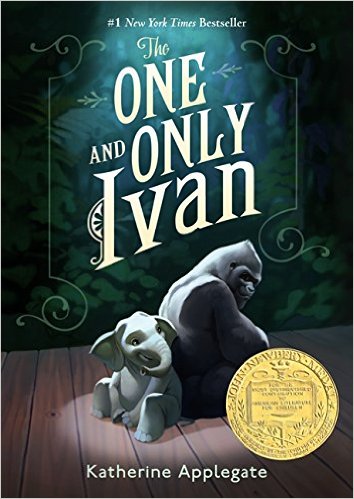
In this reflection of my learning I would like to offer that I can now share with children the great responsibility we have as humans to care for animals. A while back I read a book about animal sensitivity, this experience reminded me of the Gorilla’s story in The One and Only Ivan .
Here is what I have learned in regard to Personal Learning Networks (PLN) this past week.
PLN’s are meant to be used as virtual social space for connecting, collaborating and sharing ideas with others who have similar passions. My passion is education!
I am building a PLN to collaborate with diverse educators/learners. I want to learn from those who support new educators so I will invite them into my space.
During this module I have been connecting to those who are current in research and implementation of new strategies and technology.
Here is how I will continue to develop mine, it will be a model suggested by our Digital Literature instructor.
PLN’s are Personal
Make it an area for learning by questioning and reading on a vast array of topics. Spend time reflecting and share the reflections for feedback, in this way we can grow in education. Reach out to others in parts of the world that interest you are even cause you some anxiety. Do this in order to gain insight into how education is delivered, revered or absorbed. Exercise caution while we ‘lurk’ or ‘surf’ around the globe in websites based in places like Europe, Asia or say Africa or America. It is up to us to be digitally literate while we deepen our understanding and grow. Keeping this personal network directed by following specialized people. Those that have knowledge that you can bring into the classroom by using tools known as Web 2.0.
PLN’s are based in Learning
In order to be a top educator in the 21st Century we will need to be connected (networked) with like-minded people. This means using a PLN, so that we can be that lifelong learner we ask our students to be. We can engage in various platforms for professional development while practicing with digital literacy. We will need to make this learning ongoing and focused while being open to change both on line and off.
PLN’s are Networks
These networks are for collaboration. Spending 10-20min a day learning, lurking and sharing is an ideal way to use a PLN’s especially if your an isolated teacher, new teacher, on-line student/educator. However, remember PLN’s are for the experienced as well!
So, I started here at edutopia.org I explored this site started following it on Twitter, the site has endless information and links that initiate creative ideas and offers networking for educators. This one follow (Edutopia) has now led me to over 60 other sites to incorporate into my PLN.
I need to tell you all that I did not build my PLN on all social networking platforms instead I limited my PLN by using Twitter and WordPress only. I did this to reduce the amount content I will need to sift through in the future.
WordPress allows me the same opportunities for a PLN as Twitter, however, I found Twitter was easier for me to locate others with common educational interests
As always, please share with me what you know about this topic.
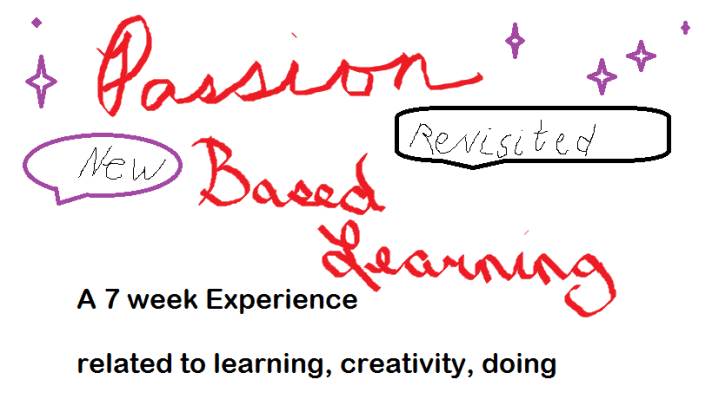
I first started learning about passion based learning this past week on sites like edutopia.org and edweek.org. I started to understand and grasp the invisible yet very much alive entity we know as passion.
While learning about this ‘Hot Topic’ I kept going back to how I would address my own Independent Learning Project in my Digital Literature class.
Here are the creative ways I will spend 4 hours each week for the next 7 weeks in pursuit of discovering more on Passion Based Learning.
I would like to have a Sailing 101 Lesson
I would like to experience life inside of a Muslim Mosque
Learn how to build a rock retaining wall (landscape)
Study 1-2 separate stories that are in the bible
Visit 2 museum’s any that are in my location
Spend 4 hours learning about horse racing
Leave 2 weeks open to learn about a new discovery I have made while on this journey.
These are not in order and I would like to also leave room for adjustments due to weather or health.
The activities I have selected for this project are both new and revisited. I think I gravitate toward the topics in my list because of the social aspects of them. Currently I am an undergraduate in Chardon State College’s Education K-8 program. My major is Social Studies, I really like to call myself a “a person who enjoys learning about people”. My hope for this project is that in the end I have learned more about my future students and the community in which I live.
In order to enhance this project it is important for me to share some of these experiences with children. I want to understand their perspectives and learn from them. I plan to learn with children when possible to show my Vulnerability and the Inner Geek as discussed by Ainnisia Rameriz in her blog post centered in Passion-Based Learning.
I hope during the upcoming weeks I am able to share some exciting things with you.



















 Raising Awareness about Human Trafficking