Mock Caldecott

A Mock Caldecott would be exciting in a classroom for several reasons.  Enthusiasm for reading will grow inside children as they discover different elements of books.  Also, it’s an excellent team building process that engages all the children in a class unlike band or sports so I look forward to one day facilitating a Mock Caldecott.  In this activity children review nominated distinguished American authored picture books, vote for their favorite book, enjoy the winners the voting produces and like the real Caldecott process honor books that did not win.

However, I can see that time will be a challenging factor.  These events are lengthy as far as the number of weeks invested and consume precious time in a school day so I will welcome lots of help the first few times from others as ideas and ‘what not to do’s’ will be a time saver.  Another problem I can see is the issue I faced just this week in trying to locate the new releases.  I have contacted 2 City Libraries and one school library and have not been able to get my hands on not even one of the books from this 2016 list classroom/mock-book-awards-class-6-fall-2016/ (they are all checked out!!!).  I did put energy into pricing several if the books on Amazon and found that they average near $10.00 per book. I have not come across any books that were published in 2016 that I can remember that is, that I would add as Caldecott nominee.

After reading the different lists of nominees 3 books I would like to read from them are;

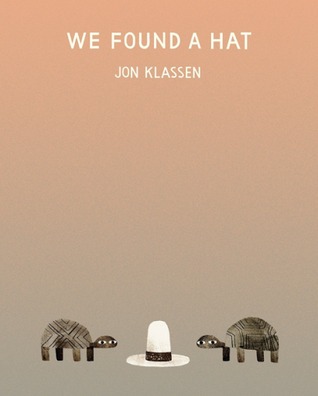
we-found-a-hat

We Found A Hat (Hat Trilogy #3) by Jon Klassen

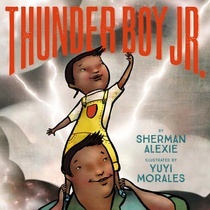
thunderboy

Thunder Boy Jr. by Sherman Alexie, Yuyi Morales

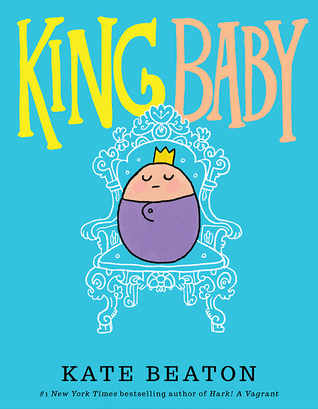
king-baby

King Baby by Kate Beaton

Below is one link that I found helpful in learning more about the Caldecott because it is large discussion on picture books.  I liked the reviews and feedback from those who are familiar with children’s literature.

http://www.goodreads.com/group/show/16993-mock-caldecott-2017

The final link that I found helpful to learn more about the Caldecott is http://100scopenotes.com/2015/11/11/mock-caldecott-2016/ this link shared more about how the weekly scheduling could be formatted.  I also found out that there is a video of the real event that can be shown to children, I think that would be a perfect closing for the activity.  One other thing I learned while visiting the site was how to handle different grade levels, like kindergartners rating the books with number (I would use stars) and older grades writing actual reviews.

I learned a few really good ideas in this exercise did anyone else learn?

IMWAYR?

Monday what are you reading pic

Hi all you book lovers & fellow “Lit Mates”, guess what I was able to do? Yup I listened to an audio book for pleasure! & after that I watched the movie. I had no idea that I would be able to blog about my leisure read but here goes as my Choice Meme blog post for week 15 in children’s lit.

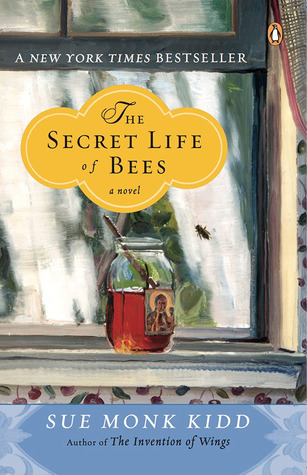
The Secret Life of Bees

by Sue Monk Kidd

Book Sense Book of the Year Award for Paperback (2004), Abraham Lincoln Award Nominee (2005), Missouri Gateway Readers Award Nominee (2005)

secret-life-of-bees

This is a young adult fiction story that has multiple themes.  One is life as an African American in the era before blacks were afforded their right to vote and the other is the life an abused white girl who has been blamed for the death of her mother.  The story takes place in South Carolina 1964 and begins to soar when Lily and her stand in (black) mother Rosaleen, find themselves running from the law and the abuse of T-Rey, Lily’s father.  The main character is Lily Owens who attends school & works for her father, it is when she goes to town with Rosaleen that her life gets worse.  Rosaleen is on her way to register as a voter finds trouble with a group of white men, she spits on them, in return they beat Rosaleen and she is imprisoned in a hospital.  Lily knows that Rosaleen with will be killed if she remains in town and she is also aware that without Rosaleen she will be unable to endure the cruelness of her father. All this leaves her to bust out Rosaleen from the authorities and run away to an unknown place to Tiburoun, S. Carolina.

Lily has made Tiburon her destination because she has nowhere else to go accept a place where on a map she has identified this town a place where someone might know her mother and she dares to image someone there may care for her.

What she finds in Tiburon is most unexpected, she is drawn to three sisters who live and work on a bee farm and harvest honey. She and Rosaleen are welcomed into a new world of culture and peace. Soon Lily finds out that yes indeed the sisters recognize her as her mother’s replica. Lily over time is able to regain love for herself and understand that she has more mothers and love than she could ever hope for.  Her father causes some commotion near the end of the book but the women stand as a formidable loving force and Lily is kept safe.

This story is told from the perspective of a young 13-year-old; however, it is a mature read and not appropriate for in school reading.

The Plot was extremely well crafted as it is woven with race, culture, religion and love.  Tension is felt through the story because of her father bizarre behavior as well as the segregation that was breaking down in the southern states.

From the authors perspective, I felt a multitude of emotions from the beginning to end of the story.  It was as if the author had so much compassion for the story that writing the story was the only way heal.

If you read over your Thanksgiving holiday I look forward to you sharing your book(s) review here.

IMWAYR

Monday what are you reading pic

The holiday season is about to begin and this past weekend was cold enough to remind us of the festivities to come.

I spent the weekend reading children’s books please take a look at what I found in Kidilit. One book that will make my top 10 this semester is Walk Two Moons a Newbery award winner.  I picked this book because it fits into my semester challenge while being oblivious to the meaningful story.  I hope some of you have read this book and that others will consider doing so.

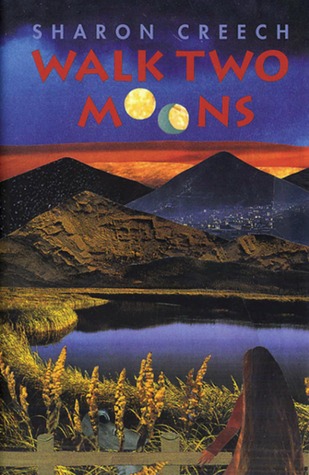
Walk Two Moons by Sharon Creech

two-moons

Literary Awards

Newbery Medal (1995), Rebecca Caudill Young Reader’s Book Award Nominee (1997), Dorothy Canfield Fisher Children’s Book Award Nominee (1996), W.H. Smith’s Mind-Boggling Books Award (1996), Oklahoma Sequoyah Award for YA (1997)

The figurative theme of the story is to understand everyone has reasons why they do the things they do and its worth the time of others to listen to the reasons and withhold judgement.  This can be done by learning to see life through other people’s eyes.  In this story doing this heals the heart of a 13-year-old Sal a girl who desperately misses her estranged mother. In my opinion I think the author gives us the figurative language of ‘walk to moons’ in order for young readers to explore events in a perspective that is not their own (probably not a thoughtful process that is done by 5-7th graders).  Walk Two Moons, is a saying among American Indians, it means refrain judgement of others until you walk through life as they have and/or experienced what they have for just a little while (maybe 2 months is long enough?).  It is best said the way my own grandmother and mother told me as a young girl, “Don’t judge them until you walk in their moccasins”.

This story takes place in the Midwest and ends back where it starts.  However, the meat and potatoes of the story happens in a car while driving across the country to Lewiston, Idaho where Sal finds discovers more about her own mother’s life.

Sal’s friend Phoebe has a similar story of her own and the reader soon finds out the details because Sal is retelling it to grandparents who are driving her in the car.  Little does Sal know the healing power in her own life that Phoebe’s story has.

Trees are mentioned throughout the book and are significant because they offer comfort and solace to Sal. In the book, Maple, Willows and Ash trees are all significant and for Sal a place for song and life.  The trees and and the saying ‘walk two moons’ are both repeated multiple times in the story leading to the idea of healing by way of nature.

In the book after the tragedy of Sal’s mothers fate and the death of her grandmother she is comes to acceptance in her grief.  Worth mentioning is the lesson learned at the end of the book when Sal and her grandfather make a game out of the saying ‘Walk to Moons’.  Sal discovers that seeing life through the lens of someone else frees her of painful self-blame.

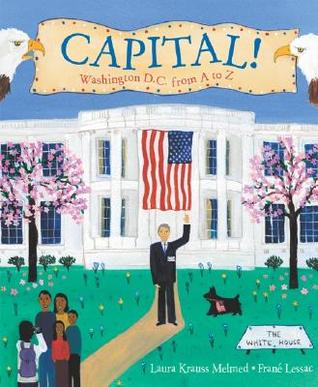
Capital!: Washington D.C. from A to Z by Laura Krauss Melmed

capital

This is a long read for 3-5th grades and not easily completed in one sitting especially if you want a child to retain the information.  I would not recommend this book as a read aloud as that is what I hoped it would be good for.  It is a historically accurate non-fiction picture book therefore works well in a classroom library for elementary students but in my opinion would be best utilized as research material for a social studies lesson. It is interesting learning about the Air Space Museum, FBI, and other institutions or places of interest to visit in Washington DC.  I would recommend reading this book prior to visiting our Nation’s Capital in order plan and familiarize your child with the city’s hot spots in ABC order.

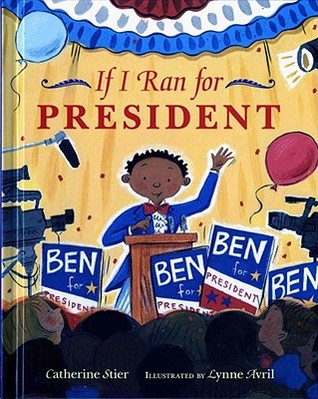
If I Ran for President by Catherine Stier

1889529

This is a book designed to help children understand the American election process.  This books shares facts like how America is a republic and uses cartoon style pictures to present the information. Children learn that anyone, male or female could be president and what their responsibilities would be.  They also learn how to find and use resources for managing campaigns, rallies and advertising.  I would recommend this book for 5th-6th grade students as some of the content is complex.

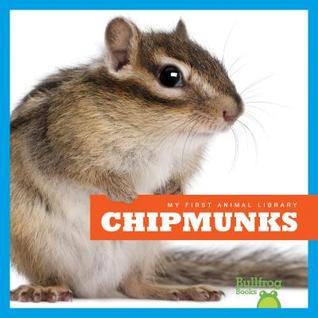
Chipmunks by Mari C. Schuh

chipmunk

This is an informative picture book for elementary grades k-3. The pictures and text would work well with a lesson on mammals. This book says science on all the pages as it describes the habitat, and diet of chipmunks also the author offers web sites for additional research.

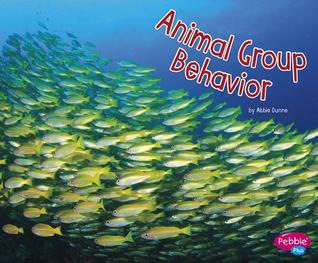
Animal Group Behavior by Abbie Dunne

animal-group-behavior

Sea animals, land animals, birds and insects are shown in this picture as living in groups for many reasons.  The author describes dolphins hunting and penguins protecting each other while living in groups.  Children are able to learn about the benefits of working together as they see animals doing this in nature.  At the end of the book the author gives an activity for children to complete and has critical questions for deeper thinking.

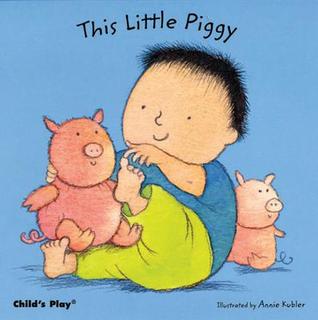
This Little Piggy by Annie Kubler (Illustrations)

this-little-piggy


Illustrator Annie Kubler does a fantastic job with this children’s board book meant for babies with simple images that are warm and inviting.  The is nursery rhyme story of the This Little Piggy. Each time you turn the page a baby can see two things.  One page has a baby playing with his toes (the way the game is played) and another page has a picture of what the Piggy would actually be doing if the game was real.  I read this to my grandson and he LOVED it!  This book is a part of the Child’s Play series and the length (reading time) of the book, the actual physical size of the book and the simple pictures work perfect together for babies.

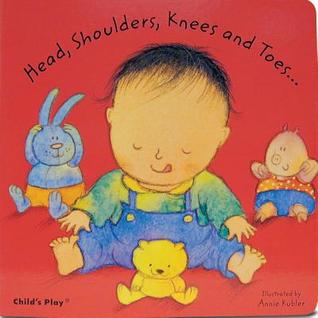
Head, Shoulders, Knees and Toes by Annie Kubler (Illustrations)

head-shoulders-knees-and-toes

This board book is part of the Child’s Play series that has been created for babies.  I rated this book with 5 stars.  The length (reading time) of the book, the actual physical size of the book and the simple pictures help to create an enjoyable read aloud time.  Babies are introduced to two languages Spanish and English while learning the names of body parts.  This is also an interactive book with a song at the end and for an additional cost a Talking Pen can be used with the book to learn more about shapes and language.

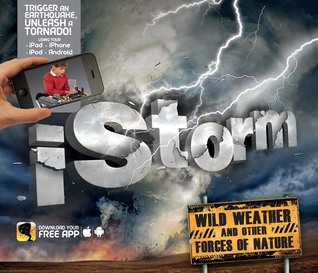
iStorm: Wild Weather and Other Forces of Nature by Anita Ganeri

istorm

WOW!!!! Make room for more technology and bring on the interactive reader. Augmented Reality is here in a Storm-Ragous way!  The books in the  Carlton’s collection https://www.carltonbooks.co.uk/ are new to me and I would not have discovered them had I not randomly picked up a book at our local library.  I wanted to get something that was not a chapter book or a book for early readers so I picked by cover again and Wow, I was not disappointed.  I look forward sharing these books with the children I work with.  Here’s a brief overview of how this easily tech. book worked with my smart phone.

Pick a Carlton Augmented AR book, download the app on your smart phone, read the factual text on the pages and view in this case volcanoes erupt or an earthquake happen!  This is not a book for under 4th grade and I would recommend it for children up to 8th grade.  This is an excellent resource for older students who are studying earth science.  I encourage all who are working with students to experience the book about blizzards, floods, landscape and much more while viewing the action on your smart phone.

What books on my list this week would you like to read?

Author Visits

jojos

Author Visits – one more topic that is new to me in literature!  Hope everyone is having a full and productive week?

In Kate Messner’s article titled “Skyping Renaissance,” skypevisits . I learned about children being offered the opportunity to visit with authors. This is an article related to the new movement of Skyping authors into classrooms a technology that is reducing the cost and travel time involved with conferences in the 21st century.  The article offers a peak into the many advantages of using Skype in education.  Those who have made use of this technology have connected children with authors that they (children) may not otherwise have interacted with.  It is also a way to help children build on lessons learned in the classroom with real life experiences.   Authors and illustrators are being invited into classroom across the world and children are able to interact with them as they never have before.

ASLC  http://www.ala.org/alsc/issuesadv/kidscampaign/authorvisits has information on how to arrange an Author Visit at your school or library either in person or as mention above via Skype.  The details are given in an easy format for people who are interested in developing this activity.   After forming a committee, selecting an audience and author the rest of the time a planner will be planning.  The planning period will need to start 12-18 months in advance ensure a venue, equipment, funding and publicity are in place. After the event is a successfully completed and book sales are wrapped up, thank you cards and evaluations will be in order. For anyone who is hesitant to coordinate this type of activity there are many helpful links listed on the website as resources.  After reading through the website it appears that arranging a Skype visit is achievable and rewarding.

Other websites that I looked at for Author Visits are https://education.microsoft.com/skype-in-the-classroom/overview here you will find information on Skype lessons, Mystery Skype (something I look forward to using in my future classroom).  Also, virtual field trips and Guest Speakers (Author Visits).

The following link was very helpful for me when learning more about actually facilitating an event http://www.scholastic.com/teachers/sites/default/files/asset/file/scholastic_author_visit_brochure.pdf.  This is highly detailed to make planning out an author visit less cumbersome.

Interestingly while learning about the growing use of Skypevisits, I discovered what a virtual field trip is. They are masterful way to advocate for the use of technology in schools because say for instance, children who are bed ridden or ill can take a virtual field trip and share in the experiences of mobile children.

Personally, I have not attended an author visit and as a matter of fact it hasn’t been until this current semester that I would have even considered it.  Now, I will gladly attend an author visit in the future if I have an opportunity.  I would also enjoy a Skype author visit as they would be cost effective and convenient.

After reading multiple books by the same author I feel as if I have studied an author or two 🙂 to a degree, but to meet a well-known author would be completely different in that there would be interaction with them face-2-face, that’s cause for excitement!

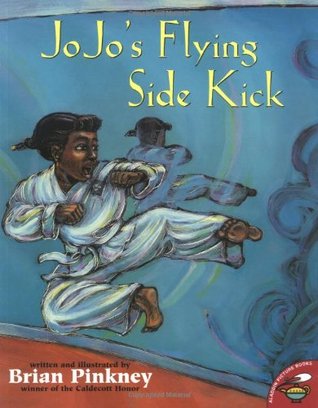
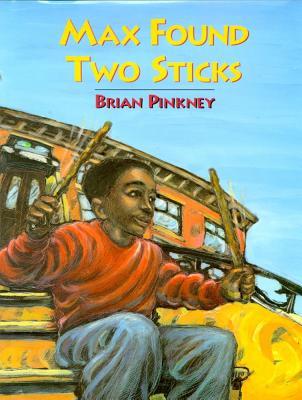
I would like to invite via Skype to my future classroom Brian Pinkney, because he has a moving personal story and writes children’s books that have African children in them so that a Black child is reflected back at a Black reader.

tumblr_inline_ndlmjfBtCM1s70xgv.jpg

What will we learn about next in KidiLit?

IMWAYR

Monday what are you reading pic

Welcome to a review of books that are good “Read Alouds” for the 2016 Presidential Election week?

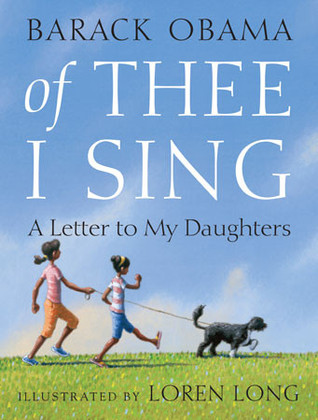
Of Thee I Sing: A Letter to My Daughters

of-thee-i-sing

by Barack Obama, Loren Long (Illustrator)

Literary Awards Flicker Tale Children’s Book Award Nominee for Non-Fiction (2012), Goodreads Choice Award Nominee for Picture Book (2010)

“Of thee I Sing” is letter that President Barack Obama wrote to his two daughters as a way of expressing his love for them.

The theme is to share the success stories of 13 inspirational people who have were peaceful leaders in various cultures and activities right here in the United States.  This book bring reminds us those who were able to help many by taking action.  Barak Obama is one of them!

I shared this book with 3 different classes last week.  A seventh-grade social studies class that listened with interest but did not have much offer in the Q&A that followed.  An 8th grade class that was not excited to hear anything from or about our President but after they realized this was the story of change makers in our country’s history they enjoyed listening to this children’s picture book.  As a matter of fact, several of them offered what they knew of those presented in the story.  I also tried sharing this below reading level with a senior class who wanted nothing to do with the story and as a matter of fact shut me down after the first page.  That being said I recommend this is a book as appropriate for 4-8thgrade.

A scholarship fund for the children of fallen and disabled US service personnel are the recipients of the revenue of this book.  This book fits into the theme of our children’s lit. class this week for 2 reasons, the book is funding a scholarship for those who serve in a patriotic manner and it’s Author is the current President of the United States.

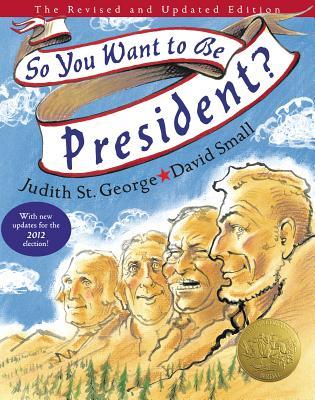
So You Want to Be President? by Judith St. George, David Small

96125

Literary Awards Caldecott Medal (2001), Pennsylvania Young Readers’ Choice Award for Grades 3-6 (2002), Dorothy Canfield Fisher Children’s Book Award Nominee (2002)

This is a re-read for me this week, I was willing to put my time into this book because it shares in picture and text they many different presidents we American’s have had.   Readers are offered truths of men who have served our nation as well as the a few not so pleasant characteristics of our past presidents.  Personality traits and induvial physical traits are shown in the detailed pictures.  Children can relate to many of the presidents from Washington to JFK to Ronald Reagan and beyond.  This book was written before Our First Black American President; Barak Obama was elected.  There will be a great addition to the book if tomorrow 11/8/2016 America elects her first Woman president, Hillary Clinton.

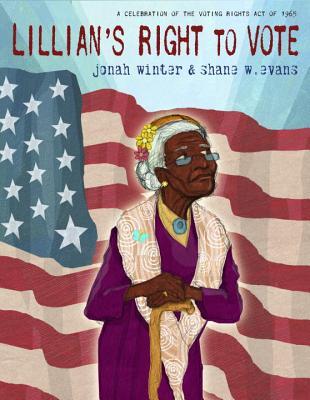
Lillian’s Right to Vote: A Celebration of the Voting Rights Act of 1965

by Jonah Winter, Shane W. Evans (Illustrations)

lilians

Lillian’s Right to Vote in non-fiction historical picture book that celebrates the fight for African American’s to gain the right to vote.  This is picture book that has dismal images mixed with bright pastel images to show the times of defeat and those of hope or freedom.

This book is telling the story of Lilian a Black American woman who is 100 years old.  The story is told in 3rd person and touches on the generations of struggle and unfair treatment that one Black American family experience from slavery to the election of Barack Obama as President of the United States in 2008.  Lilian in this story is old now and walks with a cane she wears her bifocals as she walks her uphill journey to polls for her turn to vote for an African American Man as President of the United States of America.

The history of African Americans is presented in a timeline fashion in the book looks similar to this;

1700’s – Black Slaves sold on auction blocks

1870 – Black Men were given the right to vote in the passage of the 15th Amendment.

1920 – 19th Amendments passes and gives woman the right to vote.

1960 – Anti-segregation movement

Mention of Klu Klux Can

Mention of Martin Luther King

Mention of Selma peaceful protests in the South.

1965 – Voting Right Act – Protecting the right for ALL American’s in all states in all towns the right to vote.

This picture book allows children to view through a lens what is has been like for African American Women to gain the right to vote.  Children can see some of the hardships and advancements for oppressed women.

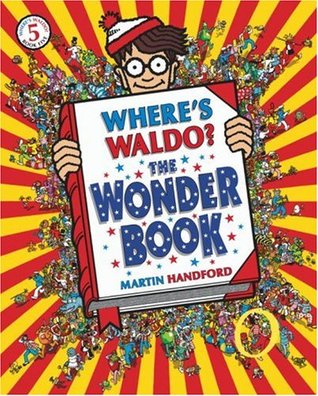
Where’s Waldo? The Wonder Book by Martin Handford

where-is-waldo-the-wonder-book

Waldo has left life as we know it and enter a fantastic land of make believe where he visits;

The land of Fruit Games.

Land of Toys

Flower Garden Land.

Land of Knight Fight.

Land of Battle of the Bands.

Odlaw Swamp.

Clown Town.

The Land of Wolfs

and the Land of Corridors of Time.

This fantastic make believe lands are splashed as always all over the pages in full color pictures for elementary age students.  Of course, as always children will love to find Waldo as they search through the pages.

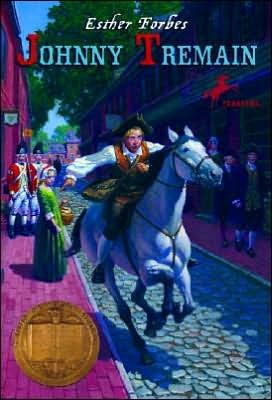
Johnny Tremain by Esther Forbes, Lynd Ward (Illustrator)

johnny-t

Literary Awards  Newbery Medal (1944)

The book Johnny Tremain fits into my semester challenge as Newbery Award winner. Although this was a very long read (7 combined hours of reading and listening on audio) it was filled with factual events and people.  This story is based Boston 1775, near the water and Beacon Hill just before and during the beginning of  the Revolutionary War.  Johnny’s mother who was from a wealthy family was estranged from them, so when she died prematurely Johnny was indebted to a silversmith.

Johnny is so wrapped up in his struggle to find himself the whole story he misses that fact that he is hungry and homeless at the age of 13.  His story starts when he is 11 and ends a few years after.  In that time, he works as an apprentice and later after he is injured he rides a horse delivering newspapers.  It is at this time when he finds a new purpose for himself.  He discovers that he can be useful despite his crippled hand.  Paul Revere Samuel Adams and other political leaders of the day are mentioned in this story; I love that the author did a good job of weaving them into the story without letting Johnny’s character slip into their shadows.  The tone of the book of fast paced and hurried with one hurdle after hurdle in Johnny way.  He does learn to overcome his own self sabotage when he befriends Rab an older boy.  Rab is able to teach Johnny how to become a man who is controlled by his examples.  In the end as the action of a battle is over Rab dies and leaves Johnny alone.  The climax, however, as a reader would think is over but read till the end to find out what really happened to Johnny Tremain.

Who thinks that this book is related to our last week’s theme of ‘Read Alouds’?

Read Alouds – Books for All Age Groups

Hello Fellow Lit. Mates welcome to Thursday November 10th, the election is over and now it’s time to get back to the books.  This post will be about the importance of ‘Read Alouds’ to not only beginner and early readers but to children in middle grades and high school.

My personal experience in my home is that we read aloud together my children and I and it was treasured time.  My daughter especially who’s challenge has always been reading.  She would sit for hours each week and listen to me as I read to her so that she would not fall behind in her AR goal.  We would get up early in the mornings wrap in a blanket and share a hot drink while we or I read chapter after chapter (don’t remember discussing the stories as much as I would have liked to though).  What came out of these reading sessions which started in her second-grade year and lasted half way through high school was our connection to each other through books.  Today when we talk about those times we both smile and remember our commitment to her success in school and this case the commitment to read out loud.

My first experience of a read aloud in school was with a small group of 5th graders.  We were assigned to read “Island of the Blue Dolphins” as we took turns reading the pages are relationship grew.  We discussed new vocabulary, did online research to find out about sea life and the Inuit people.  Taking the time to work through this book allowed the children to use their imagination and have each other as sounding boards during our discussions.  I still see those students walking in the halls and I always greet them with a found smile, as they taught me that not only my struggling daughter valued ‘Read Alouds’ but so did they.

This week I have spent time learning about the importance of reading aloud to children.  One blog that I was assigned to read for my literature class was nerdybooks a blog dedicated to children’s and YA literature.  On that site, I found what I consider to be the most valuable advice from this week’s study.  I read the that you can start a new class off with a short ‘read aloud’ (a story with a moral you hope to instill in your new students) and at the end of the year revisit the book.  By doing this the children are able see how they have matured and how they are learning to be better citizens.  I like the idea so much I may add to it by visiting it a 3rd time say in early winter and adding in some journaling time.  Please click here for a minilesson on how what using ‘read aloud’ in the classroom might look like, minilesson

Another blog I was assigned to read was 100best , this blog once I got started reading it did not seem like an assignment at all.  If you view the site, you are able to at a glance get their top100 ‘Read Alouds’ for home.  I learned on this site the importance of reading to your children.  The blog said that 8 in 10 kids across all ages report that it is a special time of boding with their parents.

On this same list of 100 top ‘Read Alouds’ I was stunned to find my grandson favorite board book as #75!  The bloggers associated with site in my opinion are right on the mark.  My 14-month-old grandson will listen to “Moo Baa LaLaLa” aloud to him over over and by his attention and body language I can infer the book brings him pleasure.

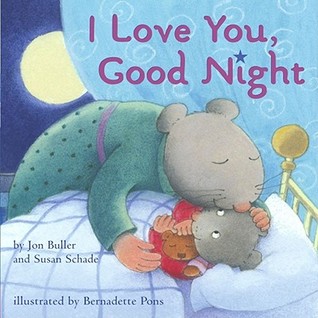
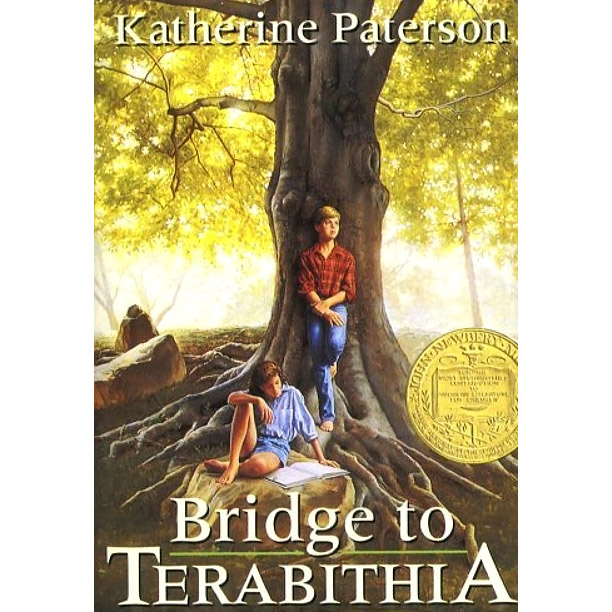
Of the books, I have read so far this semester I want to read aloud to my future students these (in no particular oder);

i-love-you-good-night

bridge-to-terabithia

navajo

3638

389896

26067890brown-bearwhat3191J38TRQL._BO1,204,203,200_

51DLkub2rOL._SX352_BO1,204,203,200_.jpg

I hope everyone gets to read their top 10 picks to their future students soon!

Wish List Wednesday

3500vtx

I am wishing for these books to make it into my hands as they were recommended from a professional who has experience and passion for building strong readers. To learn more visit her site at nerdybookclub.

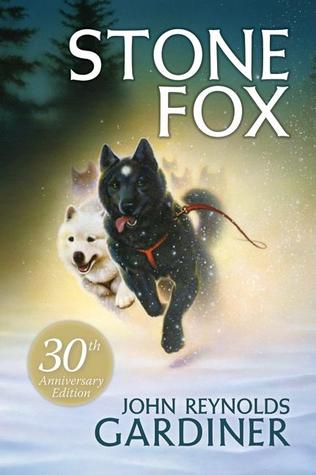
Stone Fox

stone-fox

by John Reynolds Gardiner, Greg Hargreaves (Illustrations)

Literary Awards George C. Stone Center for Children’s Books Recognition of Merit Award (1987)

 Stone Fox is legend that originates in the Rocky Mountains.  I haven’t read the book but it looks like Little Willy lives in the Wyoming Mountains with his grandfather.  He is to trying to win a dog sled race against an experience older racer so that he can save his grandfathers’ homestead with the money won.  I have also read that this book is deeply emotional and has the power to engage both adults and children.

One element of the book is that is captures a relationship between two ethnic groups, after learning the importance of this topic in children’s book I look forward to reading the story out load to my future class and alone.

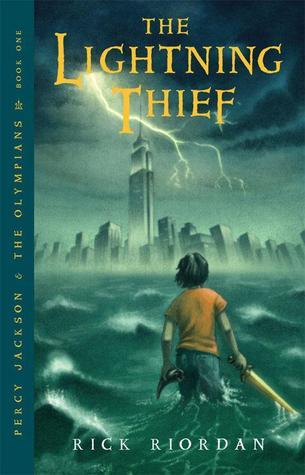
Lightning Thief Percy Jackson and the Olympians, #1) by Rick Riordan

the-lightening-theif

Literary Awards Young Readers’ Choice Award (2008), Books I Loved Best Yearly (BILBY) Awards for Older Readers (2011), Rebecca Caudill Young Reader’s Book Award (2009), Askews Torchlight Award, South Carolina Book Award for Junior Book Award (2008),Grand Canyon Reader Award for Tween Book (2008), Nene Award (2008), Massachusetts Children’s Book Award (2008), Pennsylvania Young Readers’ Choice Award for Grades 6-8 (2008), Sunshine State Young Readers Award for Grades 6-8 (2007), Pacific Northwest Library Association Young Reader’s Choice Award for Intermediate (2008), Iowa Teen Award (2009), Abraham Lincoln Award Nominee (2009), Oklahoma Sequoyah Award for YA (2008)

 The Lightening Thief is a YA fiction book appropriate for middle grades and higher.  It has multiple awards and is an adventure, I personal love adventures as way to escape for a short while.  I can also see how adventures offer a refuge for children during their hectic days, just one more reason to wish for this book to make it into my future classroom.

Percy is the main character who doesn’t understand his own identity. The book starts out with him being placed in a boarding school but as he is able to see beyond our human world his mother knows it’s time to send him to a place where he can be safe.  A place for demigods.

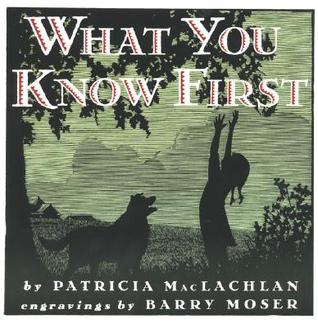
 What You Know First (Trophy Picture Books) by Patricia MacLachlan, Barry Moser

what

First as far as I can tell this book has not won an awarded, however I read that the rich words bring out the theme in a respectable way.  I have also readers do not have difficulty experiencing  the deep attitude of the book. This is a story of the emotional difficulty that accompanies fearful hearts when moving from a familiar place to unknown place. It is set on the prairie and incorporates many relationships of the family whose story is being told.  As suggested in the blog I referred to above, this is a picture book not a novel.  I can appreciate how this short read might help a classroom build a foundation quickly in the early days of the school year because most of the children have shared a classroom together. I also agree that revisiting this book at the end can allow the children to see how they personally have changed over a school year.  Of all the helpful advice of Read Aloud Books this week, I like that we can incorporate this book 2 times a year the best and am looking forward to implementing it my future classroom.  Please click below for lesson ideas, minilesson if you plan to use this book in a classroom.

Thank you for reading this Wish List everyone and if you have a review of any of these books please feel free to post here.

IMWAYR

Monday what are you reading pic

Hi again Fellow Lit. Mates!

To begin I would like to say thank you to all the authors and illustrators out there who are publishing diversity in children’s literature.  I spent the past week reading and learning about this topic and have fully enjoyed the excellent books that are available to us readers that embrace human diversity.
diversityinchildrensbooks2015_f

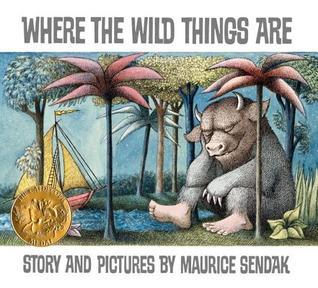
Where the Wild Things Are by Maurice Sendak

Literary Awards

Caldecott Medal (1964), Lewis Carroll Shelf Award, Indies Choice Book Award for Picture Book Hall of Fame (2009)
where-the-wild-things-are

This book fits into my Semester Challenge because it is on the Banned and Challenged list.  It was placed on the list in several southern states for being said to promote witchcraft and supernatural situations.Max who is little boy full of adventure has an evening of mischief.  He chases his dog with a fork down his stairs while he is in his wolf suit just before he told his mom as only a wolf can say, “I’ll eat you up!”.  That landed Max in his room with no dinner.  His adventures continue when a forest grows in his room next to an ocean than he sails away to a place where imaginary wild things are. The pictures on the pages make the text come to life.  This magical story is appropriate for children who are developing their imaginations.  Max is brought back from his day dream when his mother brings dinner to his room.


Uno, Dos, Tres: One, Two, Three by Pat Mora (Goodreads Author)
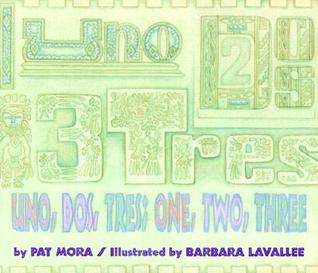
uno-does-tres

This book is part of the curriculum used in school district I work for.  It is a useful tool in duel language programs and also in ELL classrooms. Children can be taught how to count to 10 in Spanish & English while they discuss a celebration.

Mim’s Christmas Jam by Andrea Davis Pinkney, Brian Pinkney (Illustrator)
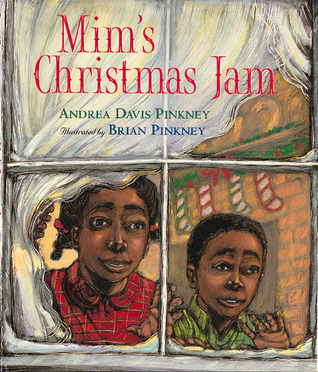
mims

This is Holiday theme book for children.  It is a historical fiction, a genera that is important for young learners.

Papa is away facing hazardous conditions while “Drilling, Poundin’ and Blastin’ – building” the New York subway system in the early 1900’s while his family is home missing him at Christmas.  He works long hours with the other Black Men in unsafe conditions.  As Christmas nears they are told all of them will miss Christmas because they need to work.  This depressing situation shifts when a package arrives from Mim and the children who have sent Christmas Jam from home, to the work site for Papa to enjoy.

This story is about a Black American family and fits well into our theme of diversity this week in Children’s Lit.an online class.  I would recommend this book that mentions slavery to all children and I would also make sure that they knew the secret recipe to Mim’s Belly-Hum Jam made from love and family pride.


Cosmo and the Robot by Brian Pinkney
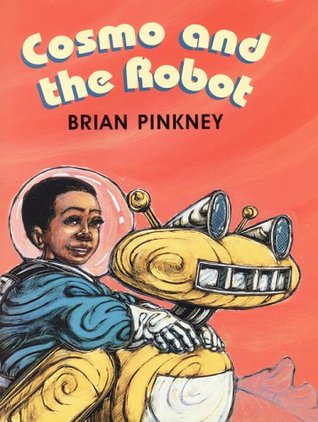
cosmo

Here is a book that fits into numerous categories those being Sci-Fi, African American picture book and fantasy.  Again, this book works well with the diversity topic we are exploring this week in our Children’s Lit. class.

Cosmo a boy who is the main character has a bossy sister and a broken robot Rex.  Rex soon malfunctions while in zone 5 which is where Cosmo and his sister have been assigned to collect rocks for an alpha-proton experiment.  Rex tries to attack Jewel, who is Cosmo’s sister and she is need of immediate help.  There is no reason to fear though because Cosmo was given a Solar System Utility Belt from his parents after Rex short circuited and was sent to the asteroid dump.  With the special belt, anything is possible including rescuing his sister from Rex who has gone hay wire.

Navajo Code Talkers: Secret American Indian Heroes of World War II
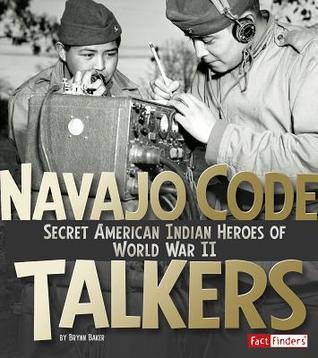
navajo

Another book that fits into this week’s theme is this book about the role Native American’s played in helping to win WWII.  This book is part of a series of historical war heroes’ and their actions that are retold.

In this book Navajo Indians who were all but abolished in the founding years of the United States serve as Marines in a time when our nation needed them most.  Japan bombed Pearl Harbor on December 7, 1941 our nation quickly declared war on Japan.  Japan was formidable and they were intercepting our radio intelligence routinely.  In order for America to defeat Japan a secret code was need that could not be deciphered by the Japanese.

So, leaders of the American Military had no choice but to ask the very people they had injured, slaughtered, slighted and mislead to aid them in war.  The military officials did tell the Navajo people that once again the US Government was going to exploit their cultural language but that is what the US military did.   With the use of the Navajo language a code was written that Japan could not break and American soon defeated Japan.

The United States Government without admitting the exploitation, did after 59 years’ award individual Congressional Gold Medals to all 29 “Code Talkers”.

In addition to the war history offered in the book, children and all readers, are offered a brief cultural overview of the Navajo Nation.  Some words in the Navajo language are printed.  Information on traditional dwellings and other cultural traits the Navajo hold.

Making a Salad: Wedge vs. Inclined Plane by Mari C. Schuh

Image not available sorry readers.

This book applies simple machines, wedges and inclined plains to in home living.  It is nonfiction and helps children use vocabulary learned in classes like machine shop, home economics and math.  It is appropriate for children 3-6 grade depending on their reading level.

Main characters in this book are non-white and therefore fits well into a book with human diversity.

Miscellaneous books I have read this week.

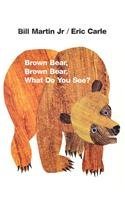
Brown Bear, Brown Bear, What Do You See? By (Bill Martin’s Bears #1)
brown-bear


This is an enjoyable children’s book it is ideal for toddlers and preschool age children.  It is a classic created to help children learn colors and associate the colors with shapes.  This book also works well for an echo read in or out of the classroom.

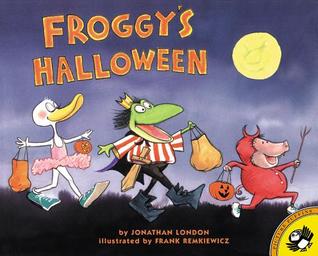
Froggy’s Halloween (Froggy) by Jonathan London, Frank Remkiewicz (Illustrator)
froggys-halloween


Welcome back to Froggy and his trouble prone life.  In this book that is filled with silly pictures and the cutest every Cow costume you find another adventure gone wrong on Froggy’s Halloween.


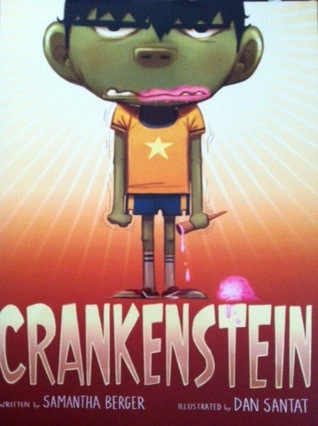
Crankenstein (Hardcover) by Samantha Berger (Goodreads Author)
crankenstien

Have you ever met a Crankenstein?  Well, wait not more he is here front and center in this holiday theme children’s book.  Grrr is his word of choice for Everything, everything, everything!  This is an easy read for 2nd to 4th graders and works well for younger children in a group read.

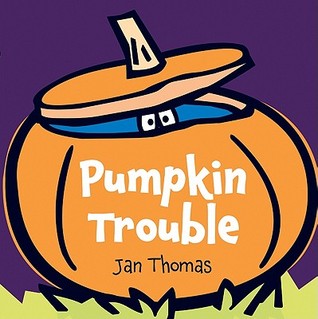
Pumpkin Trouble by Jan Thomas
pumpkin-trouble

This is a fun easy read appropriate for preschool age.  Filled with bright simple pictures and short sentences. I hope you will all read along and try to predict if the duck is helped out by his friends or not in his ‘pumpkin trouble’.

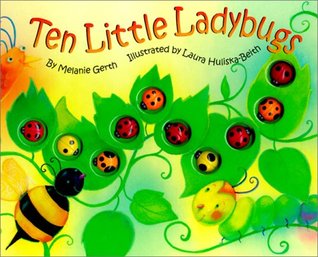
Ten Little Ladybugs by Melanie Gerth, Laura Huliska-Beith (Illustrator
ladybugs


I love this book!  It is a board book perfect for teaching youngsters how to count to 10, I counted to 10 in both Spanish and English while I read this book to a baby, so much fun counting pop out ladybugs!


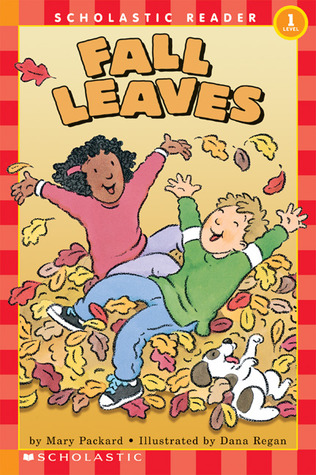
Fall Leaves by Grace Maccarone (Editor)
fall-leaves


This is level 1 read by Scholastics.  A soft color picture book with fun ideas for young children to try while they are doing yard work in the fall.  This simple read will make any child want to go outside to play in the fall leaves.


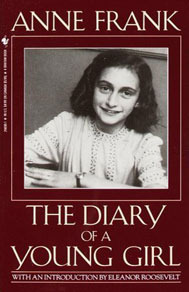
Last but not the least for this past week is a non-fiction historical autobiography by Anne Frank during the years of WWII
anne-frank

The Diary of a Young Girl by Anne Frank, Eleanor Roosevelt (Introduction), B.M. Mooyart-Doubleday (Translator)

This book is on the Banned and Challenged list for referring to homosexuality and the fact that it is a devastating depressing story that maybe too intense for children.

Setting – WWII Europe (1942-1944).

Plot – Jews are forced into hiding or forced to death in concentration camps throughout Europe.  Anne’s family goes into hiding until Anne put to death.

Theme – Fear, regret and suffering of the Jewish people especially that of the authors.

A young girl who is in hiding for nearly 2 years with a total of 8 people in an annex that has been built in warehouse.  Anne Frank is a misunderstood young girl who is forced to hide indoors due to the fact that she is a Jew during WWII.  With nowhere or no one else to turn to for an outlet, she writes her dilemma’s, truths, anger and fear in her diary.

I identified with this story for 2 reasons.  One my mother was born in America during WWII and I find it interesting to listen to a story of a young girl in the same era who endured such suffering.  Second because I understand how different sisters can be, like Anne and her sister in the book.

Have good week everyone and by the way, How many books have you logged into Goodreads?
Diversity or Lack There Of In Children’s Books?

diversityinchildrensbooks2015_f.jpg

Diversity in Children’s Books

Today’s post is a response to 4 separate articles written on the topic of human diversity in literature.  I’ll offer a short response first to each and summarize all 4 together as they relate to my Lit. Class’ focus topic this week – Diversity.

“Here I Am!”

http://www.cbcdiversity.com/post/100506934058/here-i-am

This article is an autobiography, Brian Pinkney an author/illustrator is bringing culture, change and self-expression to his young readers.  He shares his life goal that started developing when he was ten years old and was not able to find a book the depicted a boy like him.  He was looking for a boy who was mischievous and good natured as well as Black.  He is now an award-winning Author who has brought race and skin color into some of the books we know as Children’s Literature.

“How Diverse is Children’s Literature?”

https://www.bustle.com/articles/183948-how-diverse-is-childrens-literature-this-infographic-tells-the-disturbing-truth

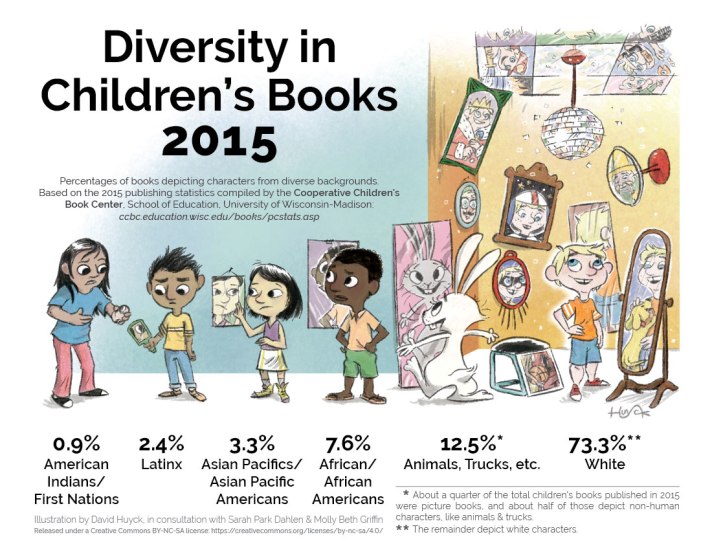
This article offers an infographic for quick reference. That infographic it’s self is loaded with the results of a 2015 review of diversity or lack thereof in children’s picture books.

How Cross-Racial Scenes in Picture Books Build Acceptance”

http://www.slj.com/2014/05/diversity/how-cross-racial-scenes-in-picture-books-build-acceptance/

I appreciated the author’s message in this article that was that the lack of books depicting friendships that are interracial may be hindering our children.  The author has stated that children are more willing to make interracial friendships when they see it happening in books.

“Disabled Characters in YA Literature” 

http://www.slj.com/2014/05/diversity/disabled-characters-in-ya-literature/#_

Another well written article sharing information about the desire for disabled readers to identify with some disabled characters in the books they read.

Summary of my response to all 4 articles above.

I would like to say that I have already started building my future classroom library and have over looked this long-standing gap in the representation of diverse learners.  After spending time learning about this issue I will be mindful to add books celebrating diversity.  I think it is important for children not only to identify with characters that are of the same race but it is equally important for disabled and non-disabled people to value one another in friendships that are brought to life in books.

I would like to offer that I personally identify with Brian Pinkney the author of the first article in this post.  Up until I read his words I had only felt that I was different from others.  I remember listening to stories and thinking (as young girl), “oh so that is what it is like to be them”.  Now I know that I was not the only child who couldn’t connect with characters. Due to my experience as a child and reading these articles I agree that diversity is lacking.  Bringing the richness and expansive landscape of race, culture and disability in to books is needed in America.

To best address this issue in schools and libraries across the country is to get information out like the pictographic reference to above.  This can be done by us up and coming teachers as well as Clubs and library associations who are advocates for this issue.  Sharing electronically and the good ol’ fashion way -on paper may get more diverse books on the shelves of children’s libraries.

After spending many hours this week learning about and reading children’s book that incorporate human diversity a new consideration for me is, how important is this issue to me? It is VERY important to me.  Which leads me to ask my readers how important is this issue to you?

Please feel free to leave suggestions for books related to ethnicity. Not only myself but my entire Lit. Class, I am sure would love to add them to their shelves.