“HackSchooling”

HackScoolingHackSchooling

Hey welcome everyone,

This topic has left me inspired and with unanswered questions SO, after reading please don’t forget to leave responses.

I’ll start by addressing the creative style that is offered by “HackSchooling” ideas.  How many appreciate the value of inviting  students or children into the planning of their lessons?

If you answered, yes why not embed a math lesson or maybe even a social studies lesson into a day of outdoor adventure?Let’s increase the learning challenge.  How about both math, S.S. and add in an earth science lesson to the outdoor activity?  PE is in the activity it’s automatically covered along with citizenship i.e.; fees paid, safely abiding by rules of engagement with others and likely being environmentally cautious.  How creative is that?  Personally, this is the way I dream of planning and executing my lessons but then I have to reason with myself.  How can this be implemented on a large scale in my area?

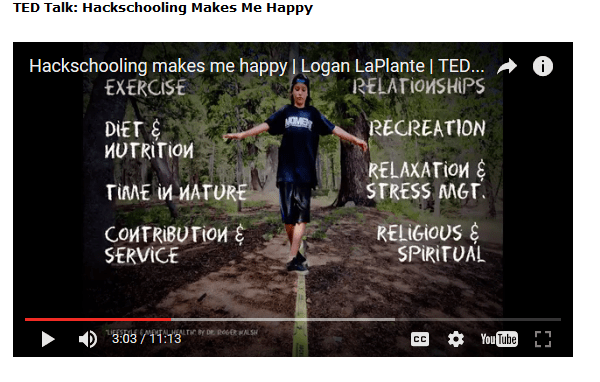
Healthy living is another valid topic that is crucial to learners’ success.  Logan LaPlante, the young man who delivers the Ted Talk shares 8 key domains or TLS’s of healthy living (shown above).  He is absolutely correct when he says not all kids live healthy lifestyles.  We adults are aware that we cannot provide healthy environments for each child outside of schools.  Despite that, we can offer them opportunities within the institution to experience “time in nature” or positive ways to manage stress.  I know field trips are offered on occasion but everyday structured experiences for practicing healthy lifestyles in school is the type of ‘happy’ environment that is sought by “hackschooler’s”

Coupled with my last statement, I have unending gratitude for teachers, administrators and support staff who day in and day out offer ways for students to get exercise, nutritious foods and experience healthy relationships.

Moving back to this young man’s talk about creativity,  his ideas sparks a desire in me to allow students creative freedom.  Not in place of but rather as a supplement to core curriculum.  I wonder though, about education laws, meeting standards and governance when considering “HackSchooling”?  Maybe some of you can offer insight?

How can this be implemented more abundantly in public schools? What are the hidden benefits to the students attending public schools?  Will this approach work in rural areas?

#2HackSchooling

#2HackSchooling

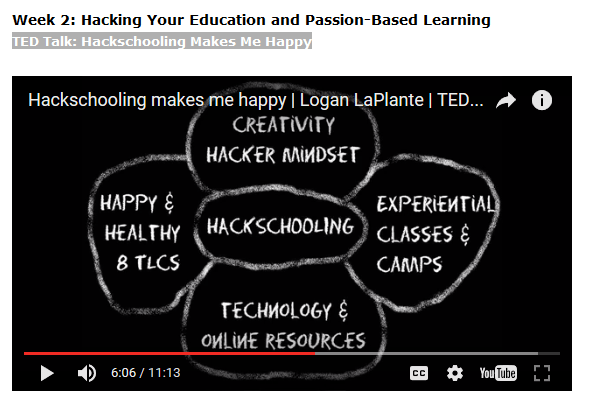
The “HackSchooling” screen snip above shows 4 elements of this topic, 3 of which are valued and used in the schools that I work in.

  1. Consistently I see technology used the internet is open to every student and individual laptops dispersed and cell phone use is not frowned upon.

2. Health classes are offered and signs in high traffic areas that promote healthy lifestyles are in place.

3.I listen to announcements over the intercoms and read flyers that are sent home enticing the students to get involved with various community events and special groups.

Yet, how do we financially and within the constraints of time find ways to encourage and grow more creativity?

The Gold Standard in Digital Literacy

I began learning about digital literacy by searching the ISTE.org where teachers, administrators and students can learn how to communicate in a fast paced changing world.

ISTE STANDARDS FOR
STUDENTS

Promote future-ready learning with the ISTE Standards for Students

Today’s students must be prepared to thrive in a constantly evolving technological landscape. Zip codes and borders no longer determine the learning opportunities, skills and careers that students can access. The ISTE Standards for Students are designed to empower student voice and ensure that learning is a student-driven process of exploration, creativity and discovery no matter where they or their teachers are in the thoughtful integration of ed tech.

After I spent time learning about how ISTE engages students I moved on to the area of the site designed for teachers. It is a large area with more information than I could not absorb in one sitting but I was able to appreciate the information they offered.

In the same manner that other sites like Edutiopia.com, text books by respected authors and other collaborative partnerships, I learned that digital literacy need to be taught.  The ISTE website compliments the discipline of education and the pursuit to educate students in digital literacy. ISTE pushes for creativity, transformation and use of technology.  They also offer resources and invite anyone to join their on-line community.  I did join easily and look forward learning strategies that I can use in my future classroom.

I also learned the being digitally literate is a Common Core Standard (I apologize now for not being able to cite the exact standard). Anyone can learn more about this by visiting Project ReimaginED resource library.

I also, spent time on Twitter networking with others who are interested in becoming digitally literate.  I found some very interesting posts related to keeping children safe on the internet and offering advice to those of us who will enter the world of teaching in the future. I am new to twitter so I am excited to become a player in that arena with regard to Digital Literacy.

What has everyone learned this week?

What random piece of digital literacy learned in this module, has been helpful to you already?

What is Digital Literacy in 140 words

Digital Literacy is leaving your digital footsteps is a socially responsible manner and with a swift pace of writing. This includes expressions of creativity by using modern tools to make statements that have impact by using deliberate words.

Collaboration with a variety of online and off-line communities useful to keep the attention of readers/viewers.  Collaboration also allows for  current and information sharing in media posts.

Advocating for safety and ethical behavior while presenting yourself and future students on the digital world is foremost.

Exhibiting leadership and being a reflective author are also components of being digitally literate.

Addressing your audience with clear meaning will increase audience base.

Online platforms to learn more about digital literacy are located at

https://hind87.wordpress.com/2012/12/12/using-twitter-as-a-new-literacy-tool/

https://www.literacyworldwide.org/blog/literacy-daily/2016/02/03/knowing-the-difference-between-digital-skills-and-digital-literacies-and-teaching-both

http://www.edweek.org/tm/articles/2014/10/29/ctq_crowley_digitalliteracy.html

Keep in mind creativity & story sharing , avoiding ugliness, anti-bulling, innovation with online tools will enable your Digital Literacy.


Peaks and Valleys of Learning

A Success

27512994306_54f949109a_b

“Phot CC-By”

My hardest learning experience has been time management.  I have always used most hours of my days responsibly but I held on to a few time wasters.  Yes, I did.

I’m positive this lesson was ongoing for 91.1% of my life.

I would omit a time waster only to find that I had replaced it with a different time waster. Over and over I did this.

However, I learned not to waste time a few years ago, this is how it happened.  One day I was wasting time walking with a few friends.  That lead to routine workouts and running in a marathon!  The marathon was not the time waster the marathon was the success of learning time management. I learned to succeed by not wasting time.  Conditioning for the marathon taught me how to organize my time.

A Failure

16453803047_475a06db0f_b

“Phot CC-By”

91.1% of the time I have not been successful in math.  I am, however, still working on building up my skill level.


Once when I Hated learning

12619158595_9ffc6977b3_b

“Phot CC-By”

I hated 91.1% of a biology class a few years ago.  It was difficult and labor intensive.  I don’t mind hard work but I didn’t understand the science and so I couldn’t do the work (grrr).   That biology class reminds me of my current attitude toward math.  The only reason I did not fail was because I had an instructor who really cared, he displayed what is known as “withitness” in teaching.  Also, my family supported my learning as well and they were willing to help with the experiments.  So, I only hated learning 😊!

What has come easy to me as a learner

OLYMPUS DIGITAL CAMERA

“Photo CC_BY”

I am inquisitive by nature.  I think I was born asking questions, as a matter of fact I can remember (with a smile) that my mother used say, “Lisa! No more questions for a while”.   So, I believe that the desire to learn is within me and that makes learning pleasurable and natural.


Times when I have loved learning

16250787068_ec35748a5b_n“Photo CC-By”

91.1% of my learning experiences have been AWESOME.  When I learn something especially the big lessons in life or in the education program here at Chadron State College, my brain lights up and I am sure I can feel the endorphins running through my brain in bursts of excitement.

The bursts of excitement that I feel is what I hope all children can experience.  That is one reason why I want to become a teacher!  Learning is super amazing and powerful.

6 Things You Should Know About Children’s Literature

1. Your ‘pay off’ of studying children’s literature is unbelievably rewarding.

As far as challenges go in my student life, this class tops the list.  More impressive is that this class has been the most rewarding learning experiences of my college career!  If there is anyone who is considering this class I want to share with you that it can be completed successfully with learning outcomes such as being able to interact in an educated manner in an online literature community, speak about authors purposes and become familiar with books different generas.  In addition, you will learn to distinguish with accuracy different awards that are issued within American Children’s Literature.  You will also have legitimate fun learning to communicate in the digital world of blogging.

2. You will learn that children’s books are more than entertaining but in fact that they are educational.

Anyone reading simple picture books will find that children learn colors, shapes and are introduced new situations.  Moral and/or values are often embedded in the theme of books in order to support civility.  Non-fiction chapter books are filled with far way places around the world and leave children filled with knowledge about historical events.  Other books are intended to take children on adventures begging them to use their creative thinking abilities.

3. You will experience life through a child’s perspective and find it fascinating.

The first place to begin looking is in http://kidlitosphere.org/an online community that is endless in resources.  Any individual can instantly become connected to Q&A’s, news and a variety of members to help expand your knowledge.

kidlit_logo

4. You will learn how to incorporate reading stories in lessons.

A teacher planning lessons, can use Read Aloud’s (books) as supplements.  Children report Read Alouds as being engaging and an enjoyable whole group experience.  These books can be award winning books, an example is the Newbery Award winners http://www.ala.org/alsc/awardsgrants/bookmedia/newberymedal/newberymedal or any other book that has not received awards examples can be found on the list of top Read Alouds http://www.scholastic.com/100BestReadAloudBooks/.  While reading, a teacher can blend in amscience, history or a social studies lesson

5. While learning about children’s literature you need to know that diversity is an issue.

Due to the lack of diversity in children’s lit. many children of color are not finding themselves mirrored in books.  Instead they find that they are able to peer through a window in to the world of white children or read about animals acting human like.  This inability to see themselves leads to a disconnect for children.  You will learn the importance of increasing diversity in children’s book as our nations classrooms fill with diverse students.  As well you will learn how to find authors who publish books that speak to this topic.

never-give-up-on-reading-300x300

6. You will PERFECT the art of goal setting.

  • Plan your week with time for goal attainment or focus each day.
  • Work you plan.
  • Take time to assess your progress and make changes as needed in your schedule to ensure attaining your goal.
  • Sacrifice something you do in your daily life at the beginning of your challenge and replace it with activities that move you closer to your goal.

Children’s Lit All Time Faves!

Top 10 Reads of the Semester

  1. Brown Bear, Brown Bear, What Do You See? (Bill Martin’s Bears #1)

I am able to see enjoyment in the children when this book is read to them. They squirm, giggle and are become excited to hear the colorful story over and over again.  I will use this in any classroom that is 3rd grade and under.

  1. Navajo Code Talkers: Secret American Indian Heroes of World War II by Brynn Baker

I came across this book during our week learning about the lack of diversity in children’s literature. This is a historical nonfiction book that 5th-7th graders are able to comprehend.

Due to the successful use of the Navajo Language in WWII that lead to America’s victory, I think this book is an asset to any library.

  1. The Diary of a Young Girl by Anne Frank, Eleanor Roosevelt (Introduction), M. Mooyart-Doubleday (Translator)

I have the utmost respect for this devastating life events that Anne Frank suffered, however, I do not recommend this book  for students do the life events being so devastating.  However, it is available, historical and is worthy of dignity and ‘Top Shelf’ placement in all libraries.

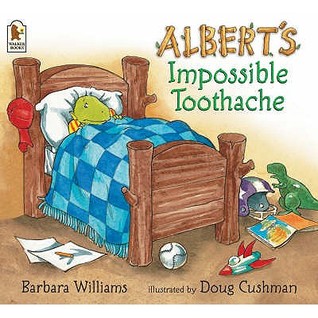
  1. Albert’s Impossible Toothache by Barbara Williams

alberts

I found this story to be applicable to early elementary children preschool – 2nd grade.  I was reminded of the frustration of those who lack the vocabulary or ability to form the words needed to express their needs.  This story would be helpful to ELL students, SPED students and toddlers who feel the weight not being able to communicate effectively on a daily basis.

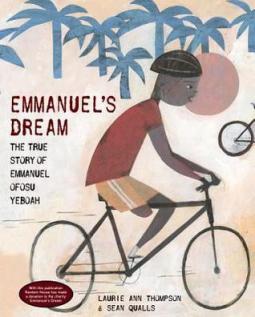
  1. Emmanuel’s Dream: The True Story of Emmanuel Ofosu Yeboah by Laurie Ann Thompson (Goodreads Author), Sean Qualls (Illustrations)

emmanuels

This story is useful in my local library where our community has a significant population of  African children so that they can find themselves in a book about a Black Boy. The  main character Emmanuel’s is courageous in his efforts to reach his potential.  He has the passion, and desire to lift not only himself but his family out of poverty.  I appreciated reading the story and look forward to sharing it with my teaching team in the future.

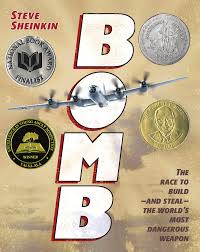
  1. Bomb: The Race to Build—and Steal—the World’s Most Dangerous Weapon

download

This historical story is the history of the atom bomb during and after WWII. I learned a great deal about various historical individuals who were interrelated in the creation and use of the atomic bomb.  This long read may be a rewarding challenge for gifted students in 5-7th grades.

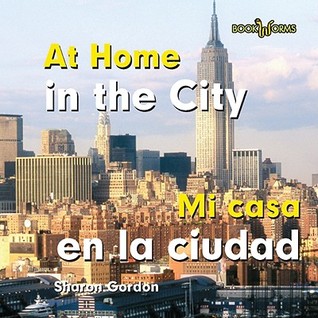
  1. At Home in the City/Mi Casa En La Ciudad by Sharon Gordon

at-home-in-the-city

This is a simple read picture book.  Meant to teach early learners a few vocabulary words in Spanish as multiple uses and would be an excellent addition in a ELL classroom.  As well as  Kindergarten – 3 grade library.  The pictures and dual language used in the book complement each other well.


  1. Oh, The Places You’ll Go! by Seuss

This is a light read for early elementary students but as I read it, I felt motivated myself!  As an adult I felt stronger and bolder, and want children to benefit in the same emotional way.

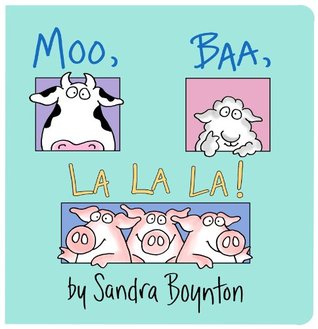
  1. Moo, Baa, La La La! by Sandra Boynton

mo.jpg

Sandra Boynton put together on of my favorite books from this semester.  It is a well crafted story of the sounds that animal make.  I LOVE reading the sing song story over and over to my grandson who enjoys listening each time we read it. He is a 15 month old baby who interacts (mimics) the animals sounds.

  1. Number the Stars by Lois Lowry (Goodreads Author)

This is a captivating story of a young friendship during WWII, in Europe.  I think that is important for children to know the suffering and selflessness of children in the history of the war. A mature friendship is built and maintained in this story and the strong character traits of those in the story are valuable for children to read about.

Top Ten Read Alouds – In Classrooms

Top 10 Read Alouds

Here are my favorite Read Aloud’s from this semester in Children’s Literature.  I can’t believe that we have all collectively as a class found, recommended and read so many incredible books.  I will miss this class and I will continue to read and think of the commitment this class required.  Here are the books that made my list (not in order). These are only a few I will thoroughly enjoy reading as a whole group one day in a classroom.

1. Bridge to Terabithia by Katherine Paterson

This is a fictional mystical novel based on the lives of two misfit children to whom, I am sure, many students will identify with.  In this story tragedy and imagination are interwoven.  The suspense of the story holds the attention of 5-8 grade students.

2. The Wish Giver: Three Tales of Coven Tree (Coven Tree) by Bill Brittain, Andrew Glass (Illustrator)

This is a fantasy book for children 4th-6th grade.  It invites children to become enchanted with the unrealistic events of the four people who purchase a ticket that grants them one wish that cannot be retracted.  You can see the wheels of a child’s imagination start turning when they try to predict the wishes written about in the story.

3. Do Princesses Really Kiss Frogs? (Princesses) by Carmela LaVigna Coyle (Goodreads Author), Mike Gordon (Illustrator), Carl Gordon (Illustrator)

I look forward to reading this out loud to girls who may be struggling with self-esteem in early elementary.  At the end of the book children can see reflection of themselves as beautiful acceptable princess.

4. Green Eggs and Ham (Beginner Books B-16) by Dr. Seuss

This classic book is a perfect Read Aloud because it is silly and imaginative and sounds so much like the endless questioning of young children.  This silly and fun book makes my list because ridiculous laughter is good for children in a busy school day.

5. When You Reach Me by Rebecca Stead

This is a science fiction mystery book that is almost, real.  It is appropriate for 10-14 year-old students.  They will learn about trust, friendship and the pains of puberty while on an adventure of finding a person who has moved through time. Rebecca Stead really puts their imaginations to work here and ignites the minds of children for deep thinking.

6. Johnny Tremain by Esther Forbes, Lynd Ward (Illustrator)

This historical fiction targets grades 6-8th.  It is hard to follow as a Read Aloud but with worksheets and frequent dialogue included it is touching.  All children learn about the revolutionary war however, in this story they can identify with characters their own age who were involved the battles.

7. Walk Two Moons by Sharon Creech

In this story main character’s mother is plagued with depression and becomes estranged before her early death. The story is told in first person very slowly and effectively builds up tension in the book making it a good choice for a Read Aloud.  The moral to the story is to stop yourself from judging others without knowing the details of their personal story.

8. The War That Saved My Life by Kimberly Brubaker Bradley

Out of all the books that I read this semester this is the book that touched my soul.  The author touches on abuse, disability, poverty, war & the power of knowledge . Although the children in the book suffered they were blessed by a stranger who took them in during WWII.  I look forward to reading this to children so they can hear and imagine the examples given by the author of how survival and hope can lead to a better future.

9. Where Does Garbage Go? (Soar To Success) by Isaac Asimov

Personally, I feel that it is important for children to understand that just because they through away their trash that does not mean its vanished from the world.  Garbage is one of the larges wastes we have in our world today and read like this can open the door to discussions about recycling, so I look forward to the short read aloud.

10. The One and Only Ivan by Katherine Applegate (Goodreads Author), Patricia Castelao (Illustrations)

After reading this book I found that I wanted to collect all the award-winning books that introduce children to social issues.  This nonfiction story touches on the right of citizens to speak out against animal cruelty.  A topic that is import around the world.

Top 10 Books that have Songs or Music as Supplements

books-and-musicB&M

Top 10 Books that have Songs or Music as Supplements

This type of literature was not a module we studied this semester and so all the books on this list are new reads for me recommended by our local Lexington Librarian.  Once I listened to a wide variety, Pete the Cat surfaced for me as the best crafted blend of story, pictures and music in a children’s book.  While reading and listening I thought often about Preschool age children who are enchanted with music.  There are many uses for these books and songs I hope that you will leave a comment at the end if you have additional ideas of ways to use this blend of art in your classrooms?

rocking-my

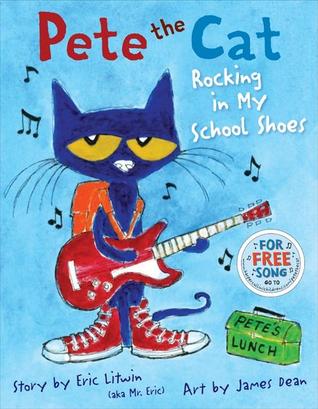
  1. Pete the Cat: Rocking in My School Shoes by Eric Litwin, James Dean (Illustrator)

And video of the song can be located at  https://www.youtube.com/watch?v=OOP8PdTJDf0

I am adding this to my top ten list because the story is a good way to get children excited & reduce fears concerning activities that are a part of a school day.  I think the music will stick in their little minds and be theirs to keep!

white-shoes

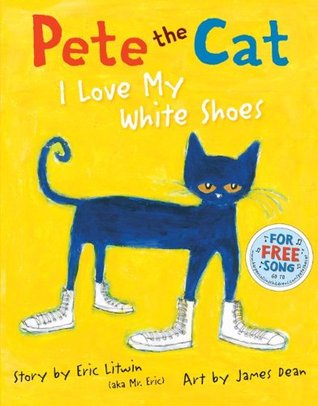
  1. Pete the Cat: I Love My White Shoes by Eric Litwin

The story and song can be found at https://www.youtube.com/watch?v=UwUlh3i4qto

Placed on my top list because as I read it aloud one day to preschoolers they had already memorized the lyrics and story line and they went bizerk for it during Read Aloud time.  Reading this book to children of diversity united them with music and signing.  There is a moral to the story as well and that is to keep on going forward no matter what barriers you encounter.

goovey

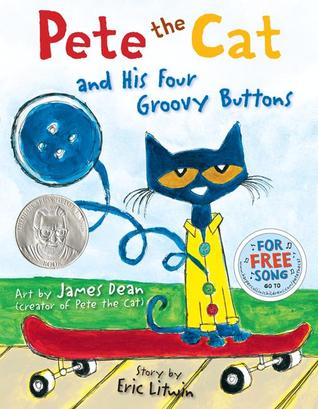
3.      Pete the Cat and His Four Groovy Buttons (Pete the Cat) by Eric Litwin, James Dean (Illustrator)

Buttons come and go and this doesn’t stop Pete from moving along and signing his song.  This book is added to my list a because of the math skills it teaches preschoolers and the moral that is taught.  I can see how this song and book can be used to transition the kiddos into a math lesson.  This book along with it’s song, being sang out loud can get the children’s adrenaline running just in time to sit and focus on a subject that can be difficult.

nuts-bedtime-at-the

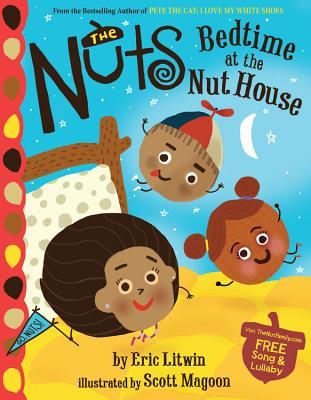
4.      The Nuts: Bedtime at the Nut House by Eric Litwin, Scott Magoon (Goodreads Author) (Illustrations)

The accompanying song can be found at https://www.youtube.com/watch?v=wrsDnjv_1BA

Placed on my list because the story is about bed time, a mutual daily activity for all children.  The story allows children in a classroom to become aware of a commonality in their diverse classrooms.  Although some children don’t have the amount of energy at the end of the day that characters Hazel and Wally have most often it takes some work to get to bed.

28477047

  1. Groovy Joe: Ice Cream and Dinosaurs by Eric Litwin

The accompanying song can be found at https://www.youtube.com/watch?v=28nzTngxrbI

I want to feature this award-winning team of authors who I have seen firsthand capture and hold the attention of 22 preschoolers!  The pictures in the book and song capture the attention and hearts of young students. This book is also, an effective ice breaker as well as soothing self read.

christmas-pete

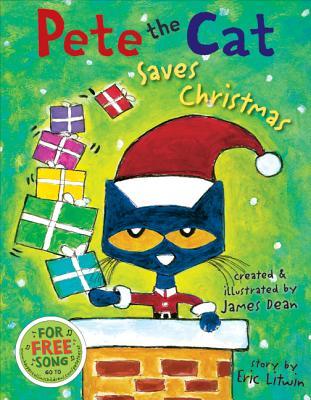
  1. Pete the Cat Saves Christmas (Pete the Cat) by Eric Litwin, James Dean (Illustrations)

The accompanying song can be found at https://www.youtube.com/watch?v=a6Qiiksp4sg

 This is an inspiring Christmas story that I thought could be motivating to children in the classroom.  Some children need a little boost during long afternoons or first thing in the morning as they wake up and this fun story helps them want to “give it their all” despite it being a holiday theme book I think it is acceptable to use year-round.

 pete-ii

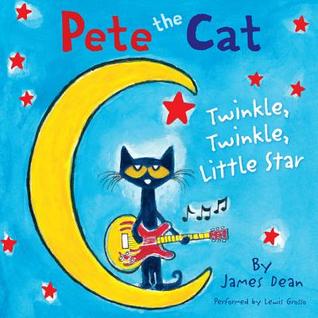
  1. Pete the Cat: Twinkle, Twinkle, Little Star by James Dean

The accompanying song/music can be found at https://www.youtube.com/watch?v=B-FHyzjwHwE

This sing along is fun way to regroup children after lunch or recess.  Therefore, it made my list.

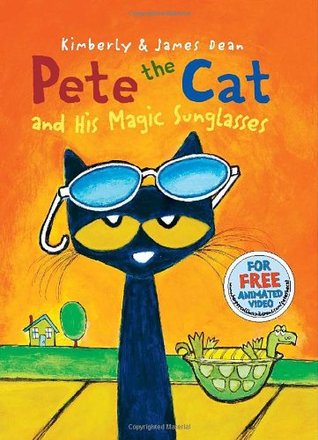
 sunglasses

  1. Pete the Cat and His Magic Sunglasses by Kimberly Dean, James Dean (Illustrator)

The accompanying music that works well with the story can be found at https://www.youtube.com/watch?v=wCVSWqgmd_w&list=PLCuLa7CUOssGIvdI0INIUJN3oQ4TR2X47

This book offers a creative way of Pete showing kiddo’s his willingness to be uplifting to others.  I think children can learn from this story that caring about others can be rewarding.

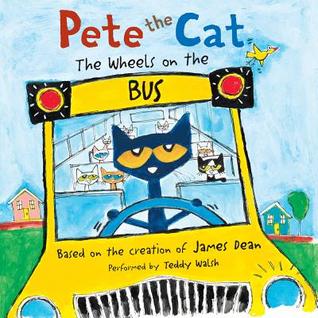
wheels-on-the-bus-pete

  1. Pete the Cat: The Wheels on the Bus by James Dean

The accompanying song/music can be found at https://www.youtube.com/watch?v=-0icbqvmehs&index=7&list=PLCuLa7CUOssGIvdI0INIUJN3oQ4TR2X47

This made my list because any one who has ever helped in the bus line knows it is stressful part of the day for staff and students.   This picture book & music can calm rowdy bus students by filling the wait time with some fun.

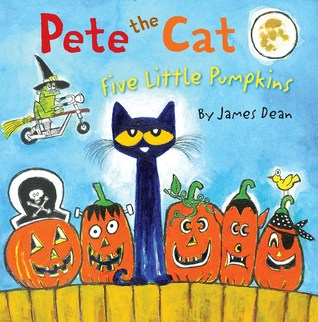
pete-five-little-pumpkins

  1. Pete the Cat: Five Little Pumpkins (Hardcover) by James Dean

The accompanying song/music can be found at https://www.youtube.com/watch?v=LVd0FE6rLFc

This book made my list because it is a short holiday theme book and song that works in the l o n g month of October.

 I hope you have learned a few new ideas and enjoyed the songs and books?  Please leave me your ideas?

IMWAYR

Monday what are you reading pic

Hi ‘Lit Mates’,

This is the last IMWAYR Meme I will be making for my Children’s Literature class.  This class has been an experience I will always remember as enlightening.   I have learned so much about the literature community and children’s learning by way of picture books that it would be difficult to write about in one post.

The one thing that I learned and value the most is when you set your mind to accomplishing a challenge you really can succeed!  This lesson I learned in completing my semester reading challenge, that was to read one book per week from the Banned and Challenged List found at http://www.ala.org/bbooks/frequentlychallengedbooks/classics. OR  to read a Newbery Award winning book off of the list found on this web site http://www.ala.org/alsc/awardsgrants/bookmedia/newberymedal/newberyhonors/newberymedal.  With dedication and motivation from my “Lit Mates” (the term is how I  have thought of my classmates in Children’s Lit.) and help from our instructor I have met my semester goal!!!!!!!!

So without further ado here are my reviews from the last week of reading in Children’s Lit.
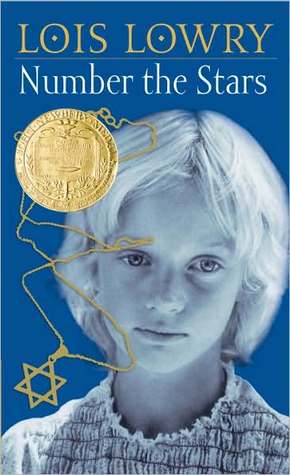
number-the-stars

Number the Stars by Lois Lowry (Goodreads Author)

Literary Awards

Newbery Medal (1990), National Jewish Book Award for Children’s Literature (1990), Sydney Taylor Book Award for Older Readers (1989), Jane Addams Children’s Book Award Nominee (1990), Rebecca Caudill Young Reader’s Book Award (1992)

Charlotte Award (1992), Dorothy Canfield Fisher Children’s Book Award (1991), Charlie May Simon Children’s Book Award (1991)


Plot-

Annemarie Johansen and Ellen Rosen are best friends but one thing make there lives very different. Ellen is a Jew and both girls are living in Europe in 1943 during WWII.  Ellen’s family is taken away one day leaving her with only one place to go and that is to the Johansen’s home.  She is forced to blend into the family as one of their children making her a sister AnneMarie.  Later in the story Ellen is reunited with her family and literally shipped to safety but only after AnneMarie is called to the act in a brave manner and save the whole family from being discovered.  The turning points in the plot is when Uncle Peter says to Anne Marie, in a stern fashion, that some things are better left unknow.  After the conversation between the two AnneMarie seems to grow in spirt and accepts her duties.  In life we encounter situations or people that propel us to become braver than ever before in the story Uncle Peter did this for Annemarie.

There are two words in the text that impacted me as a reader. One of them is brave. It means to stand up and do what needs to be done for the good of others.  Pride was also used in the story.  It was used to describe what the Nazi German’s took form the Jews. These Jews were robbed of their ancient religious practices, their learning and teaching abilities, their desire to give basic necessities like food and clothing to their families.  The use of the words brave and pride were striking in the text.

Lois Lowery used the analogy of the childen’s story, Little Red Riding Hood to AnneMarie’s running through the forest to save the Jewish family in the book to help children understand connect with the situation in the book.  I thought the use of the fairy tale was worthy of attention and praise because it gave me a sense of urgency that I may not have had otherwise.

I would rate this book a 4-star book because of the history that is given to the child reader.

Setting –

The story is set during WWII in neighborhood in Copenhagen where many families lived in apartments and children went to school.  The neighbor hood’s’ diversity demonstrates how people who do not have the same ethnicity can live peacefully together.  The stories of survivors and those who dared to offer safety to Jews could be in any European setting and the beauty of how people’s compassion saved the lives of Jews would still glow be it in London or Rome.

Theme –

The central idea of the story is share history with children in a way that they can comprehend and tolerate.   It is about sharing with children that people in the past have cared for each other.  The theme is to show children the government is not always to be trusted and that it is ok to question what is happening around themselves. In this book, actual history is given in the end to back up the events in the fictional novel.  This book was powerful because we are able to read the story in first person and feel the powerful emotions that the character was experiencing.  This caused me to believe the character might have actually been real and fighting for lives.  There are no illustrations in this book but the design of events that unfolded flow well and I was not lost or confused during the read.

Also, this week;

I read the same title in two different editions.  This title is on the banned and challenged list so it fits well into ending my semester challenge.
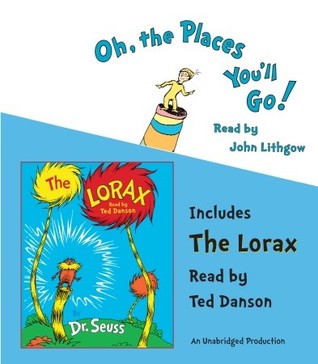
oh-the-places-youll-go

Oh, the Places You’ll Go! and The Lorax by Dr. Seuss, John Lithgow (Reading), Ted Danson (Reading)

This is a highly motivating audio book is one that will make a young reader want to succeed on their team or excel in class. This book motivates youth and adults, despite it being children’s picture book. If you are an adult and read this you will ask yourself, what mountain in my life can I climb?  This is a simple fast paced read mixed with humor and great for a read aloud or a read alone.
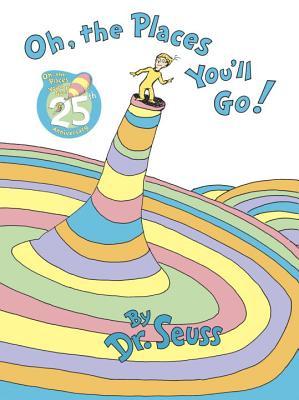
oh-the-places-you-will-go-book

Oh, The Places You’ll Go! by Dr. Seuss

This book fits into my semester challenge of reading one book a week that is either on the banned and challenged list or a Newbery award winner.  This book was placed on the banned and challenged list in 1988.  The reasoning was two-fold one being, in the original 1964 version the Oompa Loompas were said to be similar to African Americans – the text was later changed.  Second, Colorado placed the book on the banned and challenged list stating the book, “had a poor philosophy of life”

I enjoyed the easy read that is highly motivating.  The story is one that will make a young reader want to be a team player. This book motivates youth and adults, in part due to the text and in part due to the pictures.  If you read this you will ask yourself, what mountain in my life can I climb?  This is a simple fast paced read mixed with humor and told in first person.

I hope many of you will leave a comment on WWII or Dr. Seuss?